
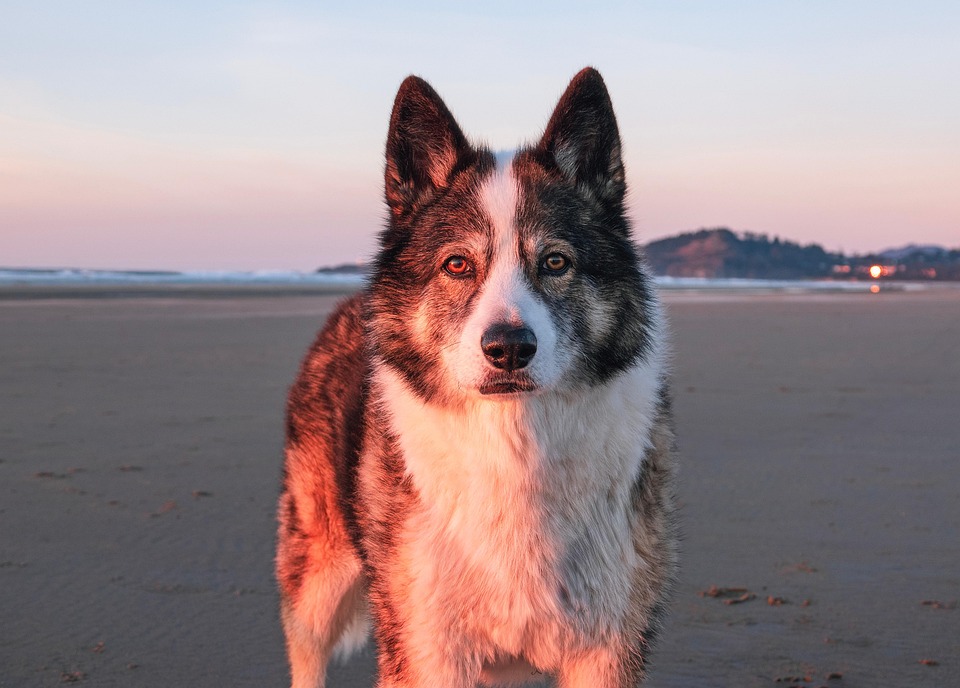
Training your dog is one of the most rewarding experiences you can have as a pet owner. Whether you have a rambunctious puppy or a wise senior dog, effective training establishes a foundation of communication, trust, and respect. This article will guide you through essential training tips suited for dogs at every stage of life.
The Importance of Training
Training is essential for several reasons:
- Behavioral Management: Good manners ensure that your dog can coexist peacefully with other pets and humans.
- Safety: A well-trained dog is less likely to run into danger or engage in risky behaviors.
- Bonding: Training sessions enhance your relationship with your dog, building trust and mutual respect.
- Mental Stimulation: Dogs thrive on mental challenges, and training provides an outlet for their intelligence.
Training Puppies
Start Early
Puppies have a critical learning window between 3 and 14 weeks. This is the ideal time to introduce basic commands and socialization:
-
Socialization: Expose your puppy to various people, environments, and other animals. Puppy classes are a great way to ensure they have positive experiences with new situations.
-
Basic Commands: Teach fundamental commands like “sit,” “stay,” “come,” and “down.” Use positive reinforcement techniques—praise and treats—to encourage desired behaviors.
Keep Sessions Short and Fun
Puppies have short attention spans. Aim for training sessions lasting about 5-10 minutes, and incorporate play! Rotate through commands and tricks to keep their interest piqued.
Training Adult Dogs
Reinforce Obedience
Adult dogs may have already learned some basic commands, but it’s essential to reinforce them:
-
Consistency is Key: Use the same commands and gestures each time to prevent confusion.
-
Advanced Commands: Consider teaching tricks like “roll over” or “play dead,” which can enhance mental stimulation.
Address Behavioral Issues
If you have a dog with behavioral issues, such as excessive barking or jumping, identify the triggers and work on desensitization techniques. Consult a dog trainer if issues persist.
Training Senior Dogs
Adapt Your Training Approach
Senior dogs may be slower to learn due to age-related factors, but they can still benefit from training:
-
Be Patient: Allow time for them to absorb commands. Use gentle encouragement and avoid punitive measures.
-
Focus on Basic Commands: Reinforce previously learned commands while introducing lighter activities that accommodate their physical limitations.
Keep It Engaging
Consider using puzzle toys or scent games to stimulate your senior dog’s mind. These activities are often less demanding physically but provide much-needed mental exercise.
General Training Tips for Dogs of All Ages
1. Use Positive Reinforcement
Always reward desirable behaviors. Treats, affection, and praise work wonders in encouraging good habits.
2. Build a Daily Routine
Establish a consistent training routine that aligns with your dog’s daily habits. Consistency helps dogs feel secure and understand what’s expected of them.
3. Socialization is Ongoing
Even adult and senior dogs benefit from regular socialization opportunities. Arrange playdates or visits to dog parks to keep their social skills sharp.
4. Educate Yourself Continuously
Stay updated on dog-training techniques. Books, seminars, and online courses can expand your knowledge and improve your methods.
5. Address Health Concerns
Before starting any training program, ensure your dog is in good health. Pain or discomfort can severely impact learning and behavior.
Conclusion
Training your dog, whether a puppy, adult, or senior, is vital for their well-being and your peace of mind. Approach each training session with patience and enthusiasm, and remember that every dog learns at their own pace. By instilling a solid foundation of obedience and good behavior, you’re investing in a lifetime of happiness for both you and your furry friend. Together, you can turn any pup into a pro!








Discussion about this post