
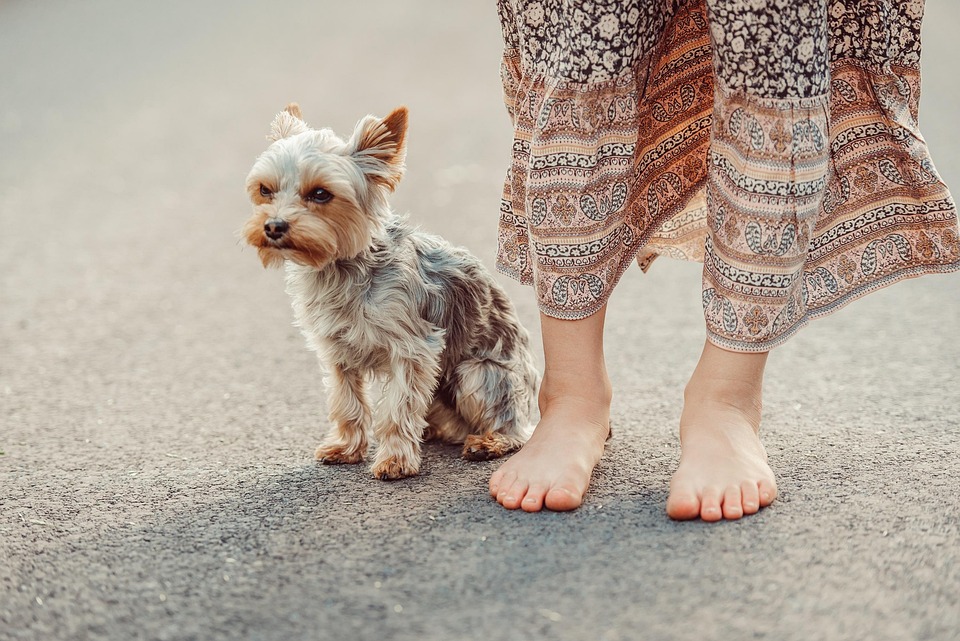
A dog’s coat is more than just a beautiful feature; it serves as a protective barrier against environmental elements and can be a reflection of your pet’s overall health. Regular grooming plays a crucial role in maintaining that shiny, healthy coat. Here’s a comprehensive guide on how to keep your dog’s fur in tip-top condition.
Understanding Your Dog’s Coat
Before diving into grooming techniques, it’s essential to understand your dog’s specific coat type—whether it’s short, long, curly, or wire-haired. Each type has unique grooming needs:
- Short-haired breeds (like Beagles) need less grooming but can benefit from regular brushing to remove loose hair and skin debris.
- Long-haired breeds (like Golden Retrievers) require more frequent grooming to prevent mats.
- Curly-haired breeds (like Poodles) need specialized grooming to maintain their curls and prevent matting.
- Wire-haired breeds (like Terriers) often benefit from hand-stripping to maintain their coat texture.
The Right Tools for Grooming
Having the right tools handy makes grooming easier and more effective. Here are some essential items:
-
Brushes and Combs:
- Bristle Brushes: Ideal for short-haired dogs.
- Slicker Brushes: Great for long-haired breeds to detangle and remove loose fur.
- Undercoat Rakes: Effective for double-coated breeds to remove the thick undercoat.
- Flea Combs: Useful for checking and removing fleas.
-
Shampoo and Conditioner:
- Use pet-specific shampoos that are gentle and formulated for your dog’s coat type. Consider hypoallergenic options for sensitive skin.
-
Nail Clippers:
- Regular nail cutting prevents painful overgrowth. Choose clippers designed for your dog’s size.
-
Ear Cleaners:
- Keep ears clean and dry to prevent infections, especially in breeds with floppy ears.
-
Towels:
- For drying your dog after baths, especially if they aren’t fans of water.
Grooming Techniques for a Healthy Coat
1. Regular Brushing
- Frequency: Brush your dog several times a week, or daily for long-haired breeds.
- Technique: Start at the head and work your way back, using gentle strokes to avoid pulling on the fur. Pay attention to areas that are prone to matting, such as behind the ears and the armpits.
2. Bathing
- Frequency: Bath your dog every 4-6 weeks, although some breeds may require more frequent baths due to their activity level or coat type.
- Water Temperature: Always use lukewarm water. Too hot or too cold can be uncomfortable.
- Shampooing: Wet the coat thoroughly, apply shampoo, and lather well. Rinse thoroughly to avoid residue.
3. Nail Trimming
- Frequency: Trim nails every 3-4 weeks, or as needed.
- Procedure: Use clippers made for dogs and avoid cutting into the quick (the pink area inside the nail), which can be painful. If unsure, seek advice from your vet.
4. Ear Care
- Cleaning: Wipe your dog’s ears with a soft cloth and a vet-recommended cleaner as needed. Make sure to avoid using cotton swabs, as they can push debris further into the ear canal.
5. Healthy Diet
A shiny coat starts from within. Feed your dog a balanced diet rich in Omega-3 and Omega-6 fatty acids, vitamins, and minerals. Consult with your vet for specific dietary recommendations based on your dog’s age, activity level, and any health concerns.
Additional Tips for a Healthy Coat
- Regular Vet Check-ups: Routine health checks can catch skin issues, allergies, or underlying health problems that affect coat quality.
- Hydration: Ensure your dog has access to fresh water at all times, as dehydration can lead to dull, dry fur.
- Supplements: Consider adding coat supplements to your dog’s diet after consulting your veterinarian.
Conclusion
Grooming your dog is not just about aesthetics; it’s about promoting their health and well-being. A regular grooming routine will help maintain a shiny, healthy coat while providing quality bonding time between you and your furry friend. With the right tools, techniques, and a little patience, keeping your dog’s coat in optimal condition can be an enjoyable experience for both pet and owner. Happy grooming!






Discussion about this post