
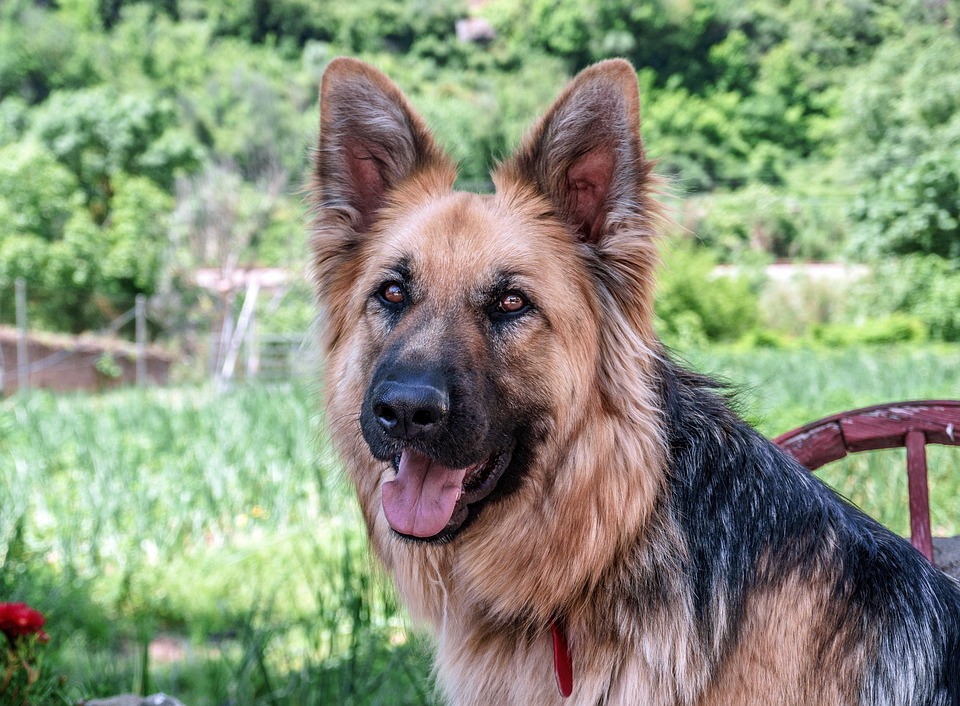
As proud pet owners, we want to ensure our furry friends lead happy, healthy lives. Understanding your dog’s behavioral cues is essential for building a strong bond and ensuring their well-being. Dogs communicate through body language, vocalizations, and specific behaviors, and recognizing these signals can help us respond appropriately to their needs. In this article, we’ll explore common behavioral cues, what they mean, and how you can use this knowledge to strengthen your relationship with your dog.
1. Body Language: The Tail Tell
Wagging Tail
The tail is one of the most recognizable forms of canine communication. A wagging tail can mean different things depending on its position and movement:
- High and Fast Wags: This often indicates excitement or happiness. Your dog might be eager for playtime or attention.
- Slow and Low Wags: A slow wag can indicate uncertainty or submission, signaling that your dog might feel insecure.
- Tucked Tail: If your dog’s tail is tucked between their legs, it can indicate fear or anxiety.
Ears and Eyes
- Ears Up and Forward: This typically signifies alertness and interest. Your dog may have detected something intriguing.
- Ears Back: When your dog’s ears are pinned back against their head, it can indicate fear or submission.
- Soft Eyes: Relaxed eyes and a slightly open mouth usually signify a calm and happy dog. Conversely, dilated pupils and staring can indicate aggression or fear.
2. Vocalizations: The Voice of Your Dog
Dogs communicate not just through body language but also through vocalizations. Understanding what they mean can help you address your dog’s needs.
Barking
- Short, Frequent Barks: This can indicate excitement or a greeting.
- Deep, Continuous Barks: Often a sign of a warning, your dog may perceive a threat or an unfamiliar presence.
- Whining: This can signal discomfort, anxiety, or a desire for your attention. It’s important to identify the context behind the whining for clarity.
Growling
While growling can be associated with aggression, it can also indicate playfulness. Pay attention to the context – is your dog playing tug-of-war or warning someone to back off?
3. Behavioral Cues: Actions Speak Louder than Words
Play Bow
A play bow, where your dog lowers their front legs while keeping their rear end raised, is a universal sign of playfulness. It’s an invitation for you or another dog to join in the fun.
Chewing and Digging
These behaviors can indicate boredom or a need for mental stimulation. If your dog is chewing on furniture or digging up the yard, they may require more exercise or engagement.
Rolling Over
When a dog rolls over, it can be a sign of submission or an invitation for belly rubs. It often indicates that your dog feels comfortable and trusts you.
4. Stress Signals: Recognizing Discomfort
Understanding when your dog is stressed or uncomfortable can prevent behavior issues and ensure their emotional well-being.
Licking or Yawning
Excessive licking or yawning when your dog isn’t tired can signal stress or anxiety. These behaviors can help them self-soothe in uncomfortable situations.
Avoidance or Hiding
If your dog is consistently trying to hide or avoids eye contact, it may indicate fear or anxiety. Identifying triggers, such as loud noises or unfamiliar people, can help you create a more comfortable environment.
5. Building a Stronger Bond
Understanding your dog’s behavioral cues is an essential step in fostering a trusting and respectful relationship. Here are some tips to improve your connection:
- Observe and React: Spend time observing your dog. Responding appropriately to their needs shows that you understand and care for them.
- Train with Positive Reinforcement: Use treats and praise to reward desired behaviors. This builds trust and encourages good habits.
- Provide Mental and Physical Stimulation: Interactive toys, regular walks, and playtime are crucial for a happy, well-adjusted dog.
Conclusion
Understanding your dog’s behavioral cues isn’t just about learning how to interpret their actions; it’s about deepening the bond between you and your furry friend. By paying attention to their body language, vocalizations, and actions, you can create a positive environment that caters to their needs. A happy dog leads to a happy owner, and with a little patience and observation, you’ll unlock the many ways your dog communicates. Remember, a well-understood dog is a well-loved dog. Embrace the journey of learning, and enjoy every tail wag along the way!








Discussion about this post