
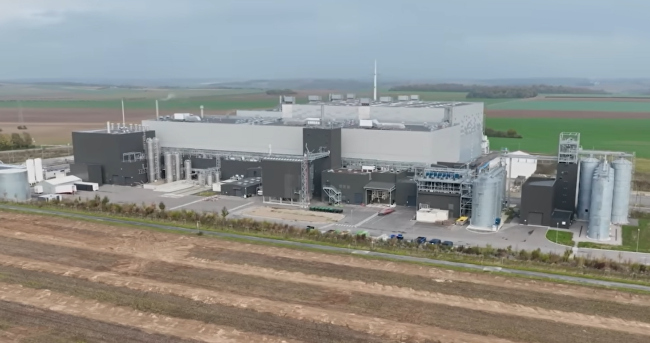

Chaos behind the curtain of leading insect farm
Far from the clean, lab-like factory images published by the insect industry, this farm is messy and chaotic. Rodents and birds roam around freely. Several machines are broken and badly repaired, leading to insect feed leakages and larvaes crawling out of their rearing boxes. Some even manage to make it outside of the farm’s premises: a stark ecological risk. The state of the slaughter facilities is equally concerning, with unwashed larvaes rotting and leaking through the ceilings.
Beyond the effects of these conditions on the health of the workers (with several former employees reporting to have developed asthma), they could also compromise the overall safety of the food chain, pose consequences for insect-fed animals, and serve as a significant welfare risk to the insects themselves. Though a growing body of evidence suggests insects are sentient, no welfare rules currently protect their needs on farms at EU level.
Furthermore, the company that owns the farm, Ynsect, was a member of the working group that produced the industry’s reference Guide on Good Hygiene Practices for producers, which was endorsed by EU institutions. The disparity between the content of the guide and the real state of the company’s insect farm raises questions about the implementation of hygiene measures in the other insect farms across Europe.
Out with insect farming, in with higher welfare alternatives
While the footage suggests insect farming is unhygienic and difficult to control, further evidence shows it underpins wide-scale low animal welfare, could compromise the wellbeing of billions of insects, is detrimental to the environment, and is a failed business model.
It is urgent policy-makers do not see insect farming as a solution to the EU’s sustainability problems, or as a viable alternative protein source. Instead, they should legislate on higher welfare, more plant-based farming, along with innovations like cultivated meat, that research has repeatedly shown would have substantial benefits for animals, people, and the planet.







Discussion about this post