
Bringing a new puppy into your home is an exhilarating experience filled with joy, cuddles, and, of course, a fair share of challenges. However, one of the most critical steps in ensuring your new furry friend adapts smoothly to their environment is implementing safety measures—creating a puppy-proof home. This guide will help you safeguard your space while providing a welcoming atmosphere for your new companion.
1. Understanding Your Puppy’s Curiosity
Puppies are naturally curious creatures. As they explore their new surroundings, they tend to chew, nibble, and investigate everything within reach. This inquisitive behavior can lead to the discovery of hazards commonly overlooked by adults but potentially dangerous for a playful puppy. Ensuring that your home is a safe haven is a crucial first step.
2. Identify Hazards
Electrical Cords and Outlets
Puppies often chew on dangling cords or pull them down when playing. Secure cords with cord management clips or tape them to walls, and consider using outlet covers to prevent accidental electrocution.
Toxic Plants
Many household plants, like lilies and philodendrons, can be toxic to dogs. Research the plants in your home and remove any that pose a risk. Alternatively, consider replacing them with puppy-safe varieties.
Small Objects and Trash
Puppies are notorious for picking up anything small enough for their mouths. Remove small items, such as coins, buttons, and jewelry, from low surfaces. Secure trash cans with lids to keep your pup from foraging for edible garbage.
Chemicals and Cleaning Supplies
Household cleaning agents, antifreeze, and many other chemicals can be fatal if ingested. Store these products securely in cabinets with child-proof locks or on high shelves.
3. Safe Spaces
Crate Training
Crate training provides a safe, secure space for your puppy to relax and sleep. Ensure that the crate is comfortable and sized appropriately. Puppies should feel cozy, not confined.
Puppy Gates
Installing puppy gates can help keep your new pet out of certain areas, such as stairways or off-limits rooms. This adds an extra layer of safety and helps manage their play area.
Playing Zones
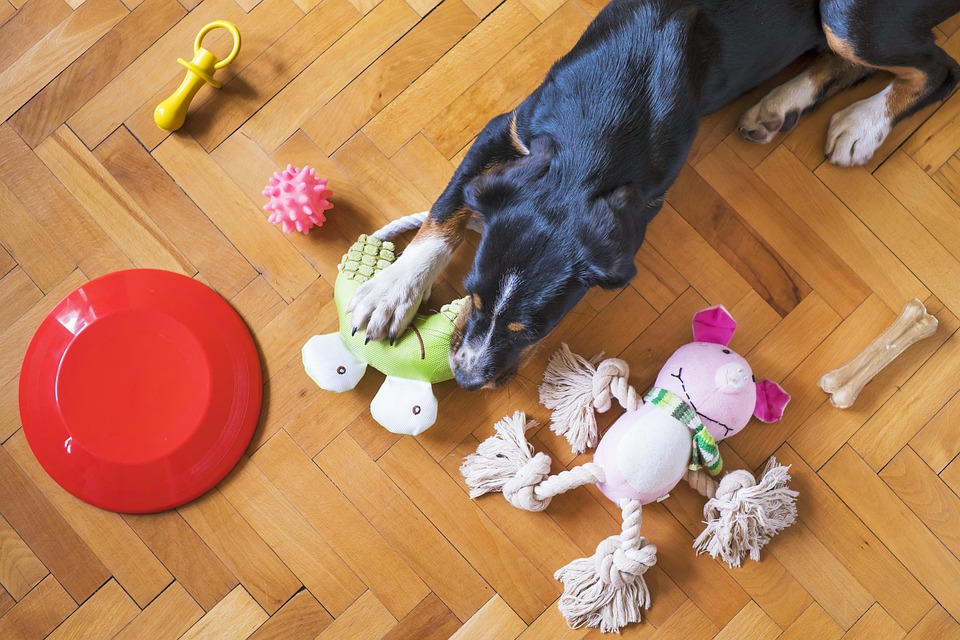
Create designated playing areas where your puppy is allowed to roam freely. Include toys and chew bones, and ensure that these areas are free from potential dangers.
4. Pet-Proof Your Furniture
Secure Your Belongings
Puppies might not know the difference between a chew toy and your favorite pair of shoes. Consider putting away valuable items or those you don’t want chewed up.
Protecting Couches and Chairs
Use pet-friendly fabrics for upholstery or invest in protective covers. Puppies may scratch and chew on upholstery, leading to costly damage.
5. Training and Socialization
While physical safety is vital, training your puppy to understand boundaries is equally important. Basic obedience training helps your puppy learn commands like “leave it” or “no.” Socializing your pet with other dogs and people can also help them learn acceptable behaviors and reduce anxiety.
6. Regular Supervision
Even the best-laid plans can go awry. Regularly supervise your puppy, especially when they are exploring new spaces. If you cannot supervise them, consider confining them temporarily to their crate or a safe room.
7. Enriching the Environment
Puppies can often resort to chewing or destructive behavior out of boredom. Provide plenty of stimulating toys to keep them engaged. Puzzle toys, chew bones, and interactive games can redirect their energy productively.
Conclusion
Creating a puppy-proof environment is an important aspect of welcoming a new canine companion into your home. By understanding potential hazards and taking proactive measures, you can ensure your puppy remains safe while exploring their new world. Remember, a little preparation goes a long way in creating a harmonious home for you and your new furry friend. With patience, love, and safety, your puppy can thrive in a secure and loving environment.





Discussion about this post