
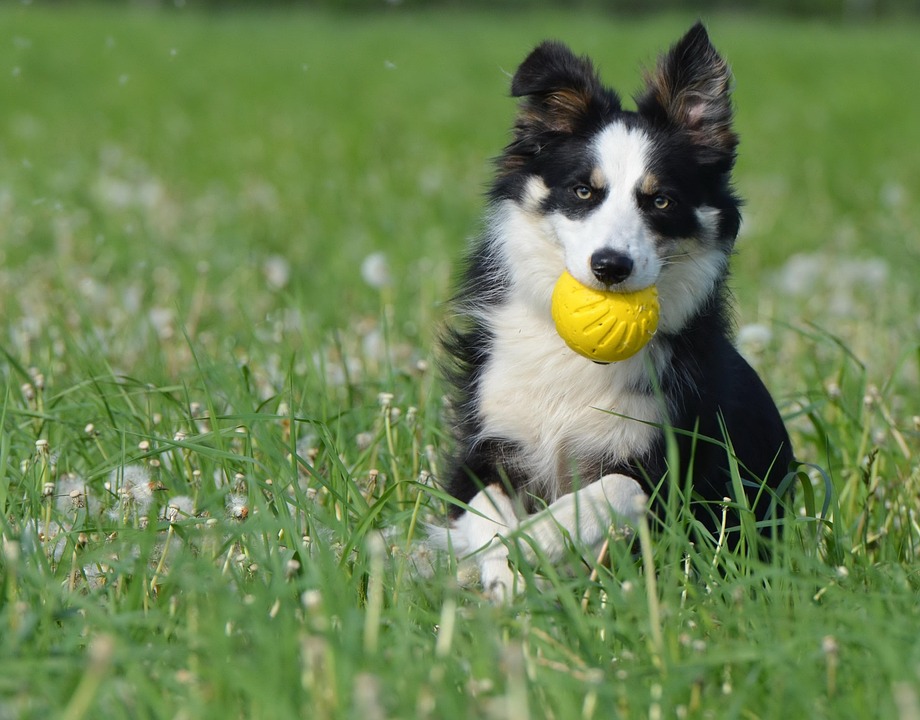
Owning a dog is one of the most rewarding experiences one can have, yet it can come with its challenges, particularly when it comes to behavior and obedience. A well-trained dog is not only a joy to be around but also ensures a safe environment for both the pet and its owner. Here, we outline some simple yet effective training tips to help you transform your dog’s behavior for lasting obedience.
Understanding Your Dog
Before diving into training techniques, it’s vital to understand your dog’s unique personality, breed traits, and individual needs. Dogs, like humans, have distinct temperaments. Recognizing these traits will help tailor your training efforts and set realistic expectations.
1. Consistency is Key
One of the most important aspects of training is consistency. Use the same commands and gestures for particular behaviors. If “sit” means a certain action, ensure that everyone in the household uses the same term to avoid confusing the dog. Consistency helps your dog learn faster and makes the training process smoother.
2. Positive Reinforcement
Positive reinforcement is a powerful tool that encourages desired behavior. Reward your dog with treats, praise, or playtime immediately after they exhibit the behavior you want to reinforce. This method fosters a positive association with good behavior, making your dog more likely to repeat it.
Example:
If you want your dog to sit, say the command as they lower themselves, then reward them with a treat. Over time, they will associate the action with the reward.
3. Keep Training Sessions Short and Engaging
Dogs have varying attention spans, and longer training sessions can lead to frustration for both you and your furry friend. Aim for short, focused training sessions—around 5 to 10 minutes—then gradually increase the duration as your dog becomes more adept at following commands. Use games and playful interactions to keep your dog excited about training.
4. Socialization is Crucial
A well-socialized dog is generally more obedient and less fearful of new experiences. Gradually introduce your dog to various environments, people, and other animals. Socialization helps reduce anxiety and builds confidence, resulting in better behavior in public settings.
5. Focus on Basic Commands
Before tackling more complex behaviors, ensure your dog has mastered basic commands such as sit, stay, come, and down. These foundational commands not only teach obedience but also enhance communication between you and your dog.
Tip:
Practice these commands in a distraction-free environment before gradually introducing more challenging settings.
6. Use Leash Training Techniques
Leash training is essential for any dog owner. Teach your dog to walk politely on a leash without pulling. Use a short leash for control and reward them for walking beside you. If they pull ahead, stop walking until they return to your side. This method teaches them to associate walking calmly with moving forward.
7. Monitor Body Language
Dogs communicate through body language. Pay close attention to your dog’s cues to understand their emotional state. If your dog appears anxious or scared, adjust your training approach to accommodate their feelings. A comfortable dog is more likely to respond positively to training.
8. Set Realistic Expectations
Transformation doesn’t happen overnight. Be patient and set achievable goals for your dog’s training journey. Celebrate small victories such as a successful ‘sit’ command or a calm walk during a busy outing.
9. Seek Professional Help if Needed
If you’re struggling with your dog’s behavior, don’t hesitate to seek help from a professional dog trainer. They can provide tailored advice and support that may be more effective for your specific situation.
10. Love and Patience
Lastly, always approach training with love and patience. Building a strong bond with your dog will make them more inclined to cooperate. A supportive environment fosters trust, which is crucial for successful training.
Conclusion
Transforming your dog’s behavior takes time and dedication, but the results are worth the effort. By employing these straightforward training tips consistently, you can enjoy a well-behaved dog that becomes a beloved member of your family. Remember, the journey of training should be enjoyable for both you and your pup. Through consistency, patience, and lots of love, you can foster a lasting bond based on mutual respect and understanding. Happy training!








Discussion about this post