
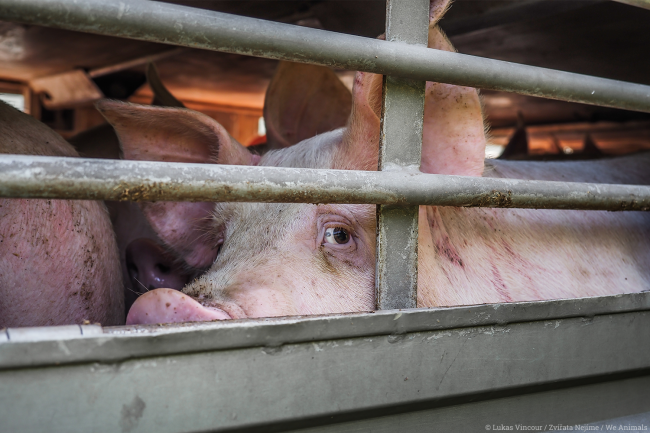

The first of the two polls by the research body, Savanta, surveyed 8,531 European citizens across nine Member States on their views on live animal transport. It concluded they are very concerned about the welfare of animals in the sector.
Its latest survey was of a much bigger scope, and polled the views of 18,227 citizens across 18 Member States on a variety of animal welfare topics. When it came to the issue of live transport, respondents once more demonstrated worry about the fates of the animals in this trade:
- 79.8% of respondents agreed long-distance journeys cause unnecessary suffering for animals;
- 79.6% of respondents agreed there should be stricter rules or a ban on the transport of pregnant animals;
- 85.8% of respondents agreed transporting animals in extreme hot or cold conditions puts their welfare at risk;
- 78.4% of respondents agreed very young or unweaned animals should not be transported for long distances.
Over half of the respondents also agreed on a number of points related to a shift to an alternative trade, wherein meat and carcasses would be transported instead of live animals, including that a switch to this model could improve animal welfare and may be beneficial to public health.
Over half of the respondents also stated they would be willing to pay more for animal products from which the animals were transported for shorter distances.
Released within just a few weeks of each other, these polls show clearly that the European public cares about the welfare of animals during transport, and is concerned that EU legislation does not go far enough to protect them.
To that end, 72% of the respondents in the first poll said they support stricter national and EU animal transport laws, while the same percentage said they are concerned about the EU’s existing laws getting weaker. It is no wonder that nearly 13,000 citizens have sent an email to MEPs, urging them to support stronger welfare measures being put into policy in this industry.








Discussion about this post