
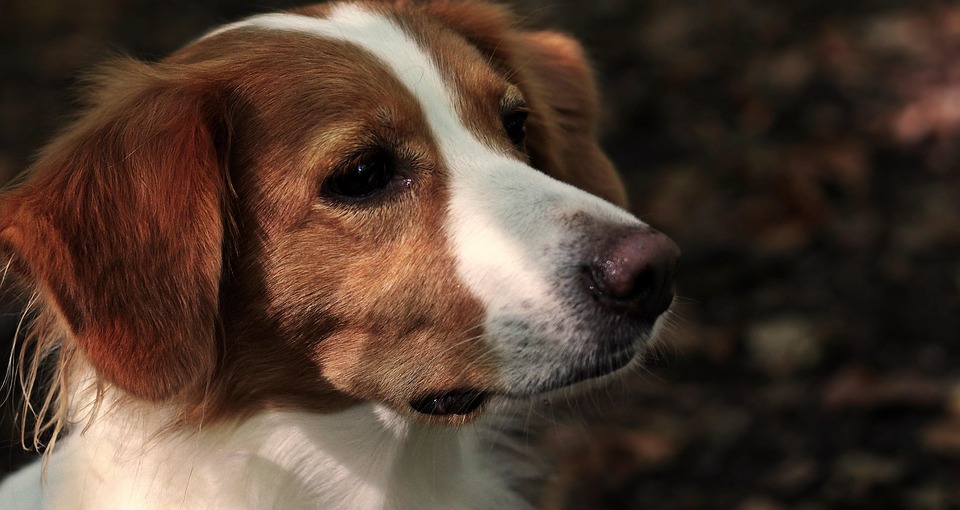
Nothing quite compares to the joy of having a happy and well-behaved dog by your side. A well-trained pup not only enhances your life but also contributes to a stronger bond between you and your furry friend. If you’re a new dog owner or looking to refine your training techniques, here are some beginner-friendly strategies to promote a happy, well-mannered canine companion.
Understanding the Basics of Dog Training
Before jumping into training techniques, it’s essential to understand a few core principles:
- Positive Reinforcement: Rewarding your dog for good behavior encourages them to repeat that behavior. This can involve treats, praise, or playtime.
- Consistency is Key: Establish clear commands and stick with them. Dogs thrive in environments where they understand what is expected of them.
- Patience and Persistence: Training takes time. Progress may be slow, but with consistent effort, you’ll see improvement.
Essential Training Techniques
1. Sit Command
Why:
Teaching your dog to sit is fundamental to other commands and helps instill self-control.
How:
- Begin with your dog standing in front of you.
- Hold a treat close to their nose.
- Move your hand up, causing their head to follow the treat, which should naturally make their bottom go down.
- Once they’re in a sitting position, say “Sit,” and reward them with the treat and praise.
- Repeat multiple times until your dog sits on command.
2. Come Command
Why:
This command ensures your dog returns to you, keeping them safe in various situations.
How:
- Start indoors or in a closed-off area.
- Use a leash and gently pull your dog toward you while saying “Come.”
- When they reach you, offer a treat and praise.
- Gradually increase the distance and distractions as your dog becomes more reliable at coming when called.
3. Stay Command
Why:
Teaching your dog to stay can prevent unwanted behaviors and keep them safe in potentially dangerous situations.
How:
- Have your dog sit.
- Hold your palm out in front of you and say “Stay,” while taking a step back.
- If they stay in position, return to them, reward, and praise.
- Gradually increase the distance and duration, always rewarding them for staying put.
4. Leash Training
Why:
A well-behaved dog on a leash transforms walks from a stressful experience into an enjoyable activity for both parties.
How:
- Use a well-fitted collar and leash.
- Begin walking in a quiet area.
- When your dog pulls ahead, stop walking entirely; wait until they return to you before continuing.
- Reward them for walking calmly beside you.
- Practice this regularly to reinforce good leash manners.
5. No Jumping
Why:
While your dog might be excited to greet you, jumping can be overwhelming for visitors and may lead to accidents.
How:
- When your dog jumps, turn away and avoid eye contact.
- Only give attention when all four paws are on the ground.
- Reward them when they approach calmly or sit instead of jumping.
Building a Strong Bond Through Training
Training is not just about teaching commands; it’s also about building a strong relationship with your dog. Here are additional tips:
- Make it Fun: Keep training sessions short and engaging. Incorporate playtime or use toys as rewards to maintain interest.
- Frequent Breaks: Allow your pup to explore and take breaks during sessions to prevent frustration.
- Socialization: Expose your dog to different people, places, and other pets to enhance their comfort level and adaptability.
Conclusion
A well-trained dog is a happy dog, and a happy dog makes for a joyful owner. By laying the groundwork with these basic training techniques, you not only foster good behavior but also create a loving and trusting relationship. Remember, every dog learns at their own pace, so be patient and persistent. Ultimately, the time you invest in training will lead to countless moments of joy and companionship with your furry friend. Happy training!







Discussion about this post