• Sitemap
  • Blog
  • Privacy Policy
  • Terms and Conditions
  • Cookie Policy
  • Contact Us
Tuesday, January 27, 2026
Dog Training Tips
  • Home
  • Dog Training
  • Dog News
  • Dog Tips
  • Funny Dog Videos
  • Dogs Curiosities
  • Contact Us
No Result
View All Result
  • Home
  • Dog Training
  • Dog News
  • Dog Tips
  • Funny Dog Videos
  • Dogs Curiosities
  • Contact Us
No Result
View All Result
Dog Training Tips
No Result
View All Result
Home Dogs Curiosities

Happy Tails: Understanding Your Dog’s Behavioral Cues

373 4
0
Happy Tails: Understanding Your Dog’s Behavioral Cues
Share on TwitterShare on Facebook


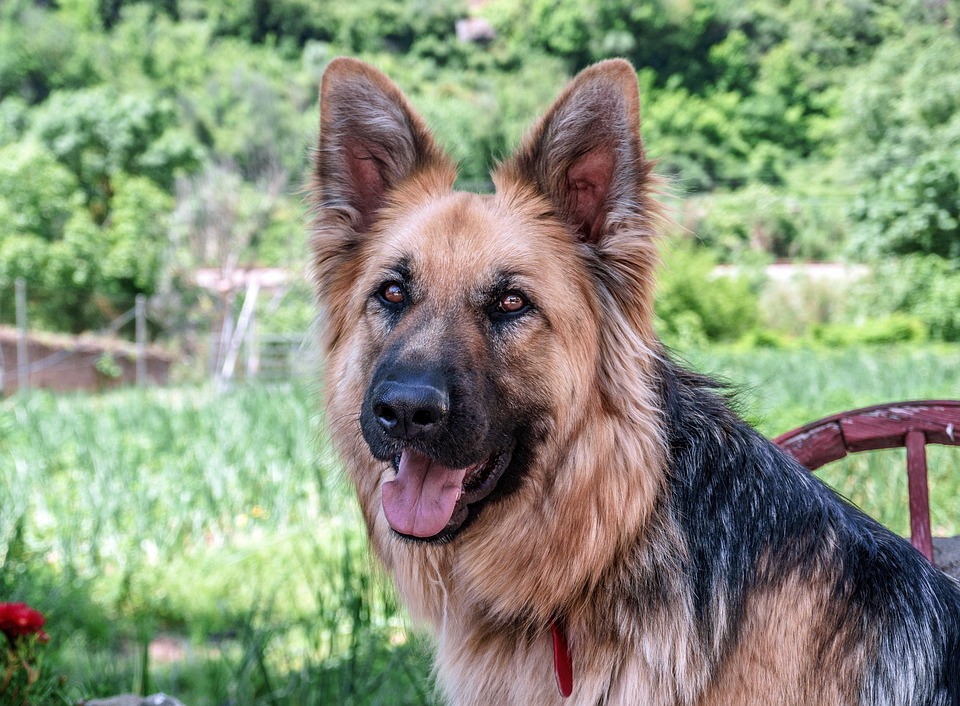
As proud pet owners, we want to ensure our furry friends lead happy, healthy lives. Understanding your dog’s behavioral cues is essential for building a strong bond and ensuring their well-being. Dogs communicate through body language, vocalizations, and specific behaviors, and recognizing these signals can help us respond appropriately to their needs. In this article, we’ll explore common behavioral cues, what they mean, and how you can use this knowledge to strengthen your relationship with your dog.

RelatedPosts

Grooming 101: How to Keep Your Dog’s Coat Shiny and Healthy

Beyond the Bowl: The Nutritional Needs of Your Furry Friend

Pawsitively Perfect: Essential Tips for First-Time Dog Owners

1. Body Language: The Tail Tell

Wagging Tail

The tail is one of the most recognizable forms of canine communication. A wagging tail can mean different things depending on its position and movement:

  • High and Fast Wags: This often indicates excitement or happiness. Your dog might be eager for playtime or attention.
  • Slow and Low Wags: A slow wag can indicate uncertainty or submission, signaling that your dog might feel insecure.
  • Tucked Tail: If your dog’s tail is tucked between their legs, it can indicate fear or anxiety.

Ears and Eyes

  • Ears Up and Forward: This typically signifies alertness and interest. Your dog may have detected something intriguing.
  • Ears Back: When your dog’s ears are pinned back against their head, it can indicate fear or submission.
  • Soft Eyes: Relaxed eyes and a slightly open mouth usually signify a calm and happy dog. Conversely, dilated pupils and staring can indicate aggression or fear.

2. Vocalizations: The Voice of Your Dog

Dogs communicate not just through body language but also through vocalizations. Understanding what they mean can help you address your dog’s needs.

Barking

  • Short, Frequent Barks: This can indicate excitement or a greeting.
  • Deep, Continuous Barks: Often a sign of a warning, your dog may perceive a threat or an unfamiliar presence.
  • Whining: This can signal discomfort, anxiety, or a desire for your attention. It’s important to identify the context behind the whining for clarity.

Growling

While growling can be associated with aggression, it can also indicate playfulness. Pay attention to the context – is your dog playing tug-of-war or warning someone to back off?

3. Behavioral Cues: Actions Speak Louder than Words

Play Bow

A play bow, where your dog lowers their front legs while keeping their rear end raised, is a universal sign of playfulness. It’s an invitation for you or another dog to join in the fun.

Chewing and Digging

These behaviors can indicate boredom or a need for mental stimulation. If your dog is chewing on furniture or digging up the yard, they may require more exercise or engagement.

Rolling Over

When a dog rolls over, it can be a sign of submission or an invitation for belly rubs. It often indicates that your dog feels comfortable and trusts you.

4. Stress Signals: Recognizing Discomfort

Understanding when your dog is stressed or uncomfortable can prevent behavior issues and ensure their emotional well-being.

Licking or Yawning

Excessive licking or yawning when your dog isn’t tired can signal stress or anxiety. These behaviors can help them self-soothe in uncomfortable situations.

Avoidance or Hiding

If your dog is consistently trying to hide or avoids eye contact, it may indicate fear or anxiety. Identifying triggers, such as loud noises or unfamiliar people, can help you create a more comfortable environment.

5. Building a Stronger Bond

Understanding your dog’s behavioral cues is an essential step in fostering a trusting and respectful relationship. Here are some tips to improve your connection:

  • Observe and React: Spend time observing your dog. Responding appropriately to their needs shows that you understand and care for them.
  • Train with Positive Reinforcement: Use treats and praise to reward desired behaviors. This builds trust and encourages good habits.
  • Provide Mental and Physical Stimulation: Interactive toys, regular walks, and playtime are crucial for a happy, well-adjusted dog.

Conclusion

Understanding your dog’s behavioral cues isn’t just about learning how to interpret their actions; it’s about deepening the bond between you and your furry friend. By paying attention to their body language, vocalizations, and actions, you can create a positive environment that caters to their needs. A happy dog leads to a happy owner, and with a little patience and observation, you’ll unlock the many ways your dog communicates. Remember, a well-understood dog is a well-loved dog. Embrace the journey of learning, and enjoy every tail wag along the way!


Previous Post

What Is AAFCO? Here’s Why It Matters When Choosing Dog Food

Discussion about this post

Happy Tails: Understanding Your Dog’s Behavioral Cues
Dogs Curiosities

Happy Tails: Understanding Your Dog’s Behavioral Cues

January 27, 2026
2.4k

As proud pet owners, we want to ensure our furry friends lead happy, healthy lives. Understanding your dog's behavioral cues...

Read moreDetails
What Is AAFCO? Here’s Why It Matters When Choosing Dog Food

What Is AAFCO? Here’s Why It Matters When Choosing Dog Food

January 27, 2026
2.4k
Golden Retriever Mom and Puppy Save a Train #dog #goldenretriever #rescue #animals

Golden Retriever Mom and Puppy Save a Train #dog #goldenretriever #rescue #animals

January 27, 2026
2.4k
Grooming 101: How to Keep Your Dog’s Coat Shiny and Healthy

Grooming 101: How to Keep Your Dog’s Coat Shiny and Healthy

January 26, 2026
2.4k
Celebrating Five Years of Animal Welfare Education Programme

Celebrating Five Years of Animal Welfare Education Programme

January 26, 2026
2.4k
Dog Training Tips

© 2018 DOG TRAINING TIPS - Design by QUALITUN LLC.

Legal Navigation

  • About
  • Advertise
  • Sitemap
  • Privacy Policy
  • Terms and Conditions
  • Contact

Follow Us

Welcome Back!

Login to your account below

Forgotten Password?

Retrieve your password

Please enter your username or email address to reset your password.

Log In
We use cookies on our website to give you the most relevant experience by remembering your preferences and repeat visits. By clicking “Accept All”, you consent to the use of ALL the cookies. However, you may visit "Cookie Settings" to provide a controlled consent.
Cookie SettingsAccept All
Manage consent

Privacy Overview

This website uses cookies to improve your experience while you navigate through the website. Out of these, the cookies that are categorized as necessary are stored on your browser as they are essential for the working of basic functionalities of the website. We also use third-party cookies that help us analyze and understand how you use this website. These cookies will be stored in your browser only with your consent. You also have the option to opt-out of these cookies. But opting out of some of these cookies may affect your browsing experience.
Necessary
Always Enabled
Necessary cookies are absolutely essential for the website to function properly. These cookies ensure basic functionalities and security features of the website, anonymously.
CookieDurationDescription
cookielawinfo-checkbox-analytics11 monthsThis cookie is set by GDPR Cookie Consent plugin. The cookie is used to store the user consent for the cookies in the category "Analytics".
cookielawinfo-checkbox-functional11 monthsThe cookie is set by GDPR cookie consent to record the user consent for the cookies in the category "Functional".
cookielawinfo-checkbox-necessary11 monthsThis cookie is set by GDPR Cookie Consent plugin. The cookies is used to store the user consent for the cookies in the category "Necessary".
cookielawinfo-checkbox-others11 monthsThis cookie is set by GDPR Cookie Consent plugin. The cookie is used to store the user consent for the cookies in the category "Other.
cookielawinfo-checkbox-performance11 monthsThis cookie is set by GDPR Cookie Consent plugin. The cookie is used to store the user consent for the cookies in the category "Performance".
viewed_cookie_policy11 monthsThe cookie is set by the GDPR Cookie Consent plugin and is used to store whether or not user has consented to the use of cookies. It does not store any personal data.
Functional
Functional cookies help to perform certain functionalities like sharing the content of the website on social media platforms, collect feedbacks, and other third-party features.
Performance
Performance cookies are used to understand and analyze the key performance indexes of the website which helps in delivering a better user experience for the visitors.
Analytics
Analytical cookies are used to understand how visitors interact with the website. These cookies help provide information on metrics the number of visitors, bounce rate, traffic source, etc.
Advertisement
Advertisement cookies are used to provide visitors with relevant ads and marketing campaigns. These cookies track visitors across websites and collect information to provide customized ads.
Others
Other uncategorized cookies are those that are being analyzed and have not been classified into a category as yet.
SAVE & ACCEPT
No Result
View All Result
  • Home
  • Dog Training
  • Dog News
  • Dog Tips
  • Funny Dog Videos
  • Dogs Curiosities
  • Contact Us

© 2018 DOG TRAINING TIPS - Design by QUALITUN LLC.

Terms and Conditions