
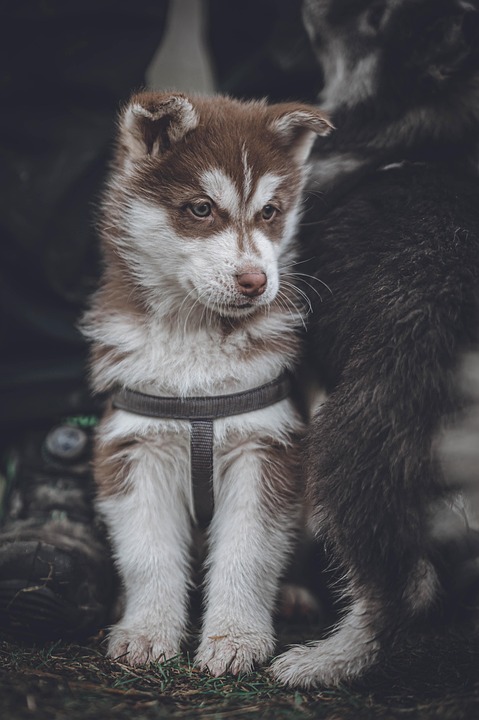
Selecting a puppy is an exciting journey, but it can also be overwhelming. With so many breeds, sizes, and temperaments to consider, finding the right pup for your lifestyle is crucial. This guide will help you navigate the decision-making process to ensure you choose a furry friend that fits seamlessly into your life.
1. Assess Your Lifestyle
Before you even begin to look at puppies, take a moment to evaluate your lifestyle:
a. Activity Level
Do you lead an active lifestyle or prefer a more relaxed pace? High-energy breeds such as Border Collies and Labrador Retrievers require ample exercise, while breeds like Bulldogs and Basset Hounds are generally more laid-back.
b. Space
Consider the size of your living accommodations. Larger breeds often need more space to roam, while smaller breeds can thrive in cozy apartments.
c. Time Commitment
Puppies require time and attention for training, socialization, and exercise. Make sure you have enough time to dedicate to your new companion.
2. Understand Breed Characteristics
Different breeds have unique characteristics and care requirements. Research breeds that align with your lifestyle:
a. Temperament
Some breeds are known for being friendly and outgoing (e.g., Golden Retrievers), while others may be more reserved (e.g., Shiba Inus). Choose a breed whose temperament matches your expectations.
b. Grooming Needs
Grooming can be a significant commitment. Long-haired breeds might require regular grooming sessions, while short-haired dogs are often easier to maintain.
c. Health Considerations
Certain breeds are prone to specific health issues. Research potential health problems and inquire about their genetic predispositions.
3. Choose Between Adoption and Buying
a. Adoption
Consider adopting a puppy from a local shelter or rescue. This option not only gives a dog a loving home but also often includes vaccinations and spaying/neutering.
b. Buying
If you have your heart set on a specific breed, research reputable breeders. Look for breeders who prioritize health testing and responsible breeding practices.
4. Meet the Puppy
Once you narrow down your options, it’s time to meet the puppy or puppies. Pay attention to the following:
a. Health
Check for signs of good health: clear eyes, clean ears, and a shiny coat. Don’t hesitate to ask about vaccinations and health screenings.
b. Personality
Spend some time interacting with the puppy. Observe how they react to people and other animals. Do they appear confident, friendly, or timid?
c. Socialization
Consider how well the puppy has been socialized. Puppies that have had varied experiences with different people, animals, and environments usually adapt better.
5. Prepare Your Home
Once you’ve chosen your puppy, it’s time to set up your home:
a. Puppy-proof your Space
Remove hazards such as toxic plants, loose wires, and small objects that could be swallowed. Create a safe space where your puppy can explore and feel comfortable.
b. Essential Supplies
Gather the necessary supplies: food and water bowls, a crate, bedding, toys, grooming tools, and high-quality puppy food.
6. Training and Socialization
Training is essential for building a strong bond with your new puppy:
a. Obedience Training
Enroll in a puppy training class or follow a training guide to teach basic commands. Starting early helps instill good behavior.
b. Socialization
Expose your puppy to different environments, people, and other dogs. Positive experiences will help them grow into well-adjusted adults.
Conclusion
Choosing the right puppy is a rewarding experience that requires careful thought and consideration. By assessing your lifestyle, understanding breed characteristics, meeting the puppy, preparing your home, and committing to training, you’ll be well on your way to finding the perfect furry friend. Remember, a happy and healthy puppy starts with informed decisions. Enjoy the journey ahead!
![Bow Wow Dog ALL Episodes / NEW Seasons [FULL SCREEN] (1 HOUR)](https://dogtrainingtips.bid/wp-content/uploads/2025/12/Bow-Wow-Dog-ALL-Episodes-NEW-Seasons-FULL-SCREEN-75x75.jpg "Bow Wow Dog ALL Episodes / NEW Seasons [FULL SCREEN] (1 HOUR)")







Discussion about this post