
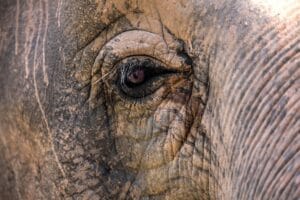
NEWS: Elephant Riding BANNED at Zoos and Sanctuaries in Indonesia
 A new era is dawning for Indonesia’s captive elephant population. For decades, the image of elephants carrying tourists has been commonplace, but a historic shift is now underway. At Wild Welfare, our core mission is to improve the lives of animals living under human care by ensuring both their emotional and physical health and well-being needs are being met. So, we were very pleased to learn of the Indonesian government’s plan to officially ban elephant riding at all conservation facilities across the country.
A letter shared by the Ministry of Forestry in late 2025 announced the news of this ambitious move, which represents a milestone moment for ethical wildlife and welfare-friendly tourism. As we now enter this new era, key attractions such as Bali Zoo have officially ended their elephant riding activities, sending a powerful message to other facilities across the region.
Why This Change Matters
 Elephant riding has been a common feature of the South and Southeastern Asia tourism industry for many years, even though this controversial practice is inherently linked to multiple animal welfare concerns. As highlighted in Wild Welfare’s ‘Elephant Riding Position Statement’, elephants are highly social, intelligent animals with complex biological requirements that simply cannot be met when they are utilised for entertainment and transportation.
The physical act of carrying heavy saddles and passengers often leads to long-term spinal issues and foot injuries. They are often subjected to harsh traditional training methods based on instilling fear and pain, rather than cooperation and choice. When they are not actively carrying tourists, many elephants are kept in insufficient and restrictive environments that prevent them from carrying out their natural behaviors such as roaming, foraging or socialising.
Ending the practice of elephant riding is the first of many steps towards addressing elephant welfare concerns and moving away from negative care and management regimes. By allowing captive wildlife more choice and control over their environment, facilities can begin to move toward a future where their psychological and physical wellbeing can become the primary focus for their caregivers.
A National Movement Toward Ethical Tourism
Back in 2024, two prominent Indonesian conservation and zoological institutions, TSI Bogor and TSI Prigen, decided to cease elephant riding activities at their sites. This position against elephant riding was also mirrored by the Southeast Asian Zoos and Aquariums Association (SEAZA) who publicly voiced their stand against this unethical and dated practice, encouraging a movement that would eventually see the ban enforced nationwide. Wild Welfare have closely partnered with SEAZA for many years to help implement animal welfare standards across their membership.
Bali Zoo has now also joined this mandated movement, announcing they have stopped all elephant riding for their guests. The new federal directive issued by the Directorate General of Natural Resources and Ecosystem Conservation (KSDAE) applies to all conservation institutions and zoos in Indonesia with immediate effect.
The Bali Natural Resources Conservation Agency (BKSDA) has warned that any facility failing to comply with the ban risks having their operating permits revoked.
Enacting Positive Change
 This positive change is in part thanks to the hard work of animal welfare organisations presenting scientific evidence against this practice and the changing expectations of modern travelers who demand to see wildlife respected and not exploited.
Securing a positive future for wild animals affected by travel and tourism depends on public awareness and the widespread adoption of animal-friendly tourism practices. This means moving away from animal performances and direct hands-on interactions, toward observation-based experiences where animals are treated with dignity, compassion and respect. Find out if your travel plans are unknowingly affecting wildlife by checking out Wild Welfare’s free online resources about ‘Animals in Tourism’.
By placing welfare at the heart of their operations, wildlife facilities can move beyond simple entertainment, enabling opportunities for meaningful conservation work and a transformative public engagement. Discover how to identify ethical and welfare-conscious activities to ensure your future travels are positively impacting wildlife by visiting our online guide on how to be an Animal-Friendly Tourist.
A Brighter Future
We applaud the Indonesian government for taking this important and necessary first step. This is a testament to what can be achieved through years of cooperative advocacy and the collective voice of compassionate tourists and concerned citizens.
Would you support more countries making this vital change?
Our vital projects around the globe work to turn stories like these into new global standards, embedding animal welfare into both local practice and national policy. By choosing to support only those facilities that demonstrate a genuine commitment to good welfare, we can collectively redefine the future for captive wildlife. Together, we can ensure that every elephant, and every captive species, is afforded the opportunity to live a good life that is truly worth living. Find out more and show your support at https://wildwelfare.org/donate.







Discussion about this post