
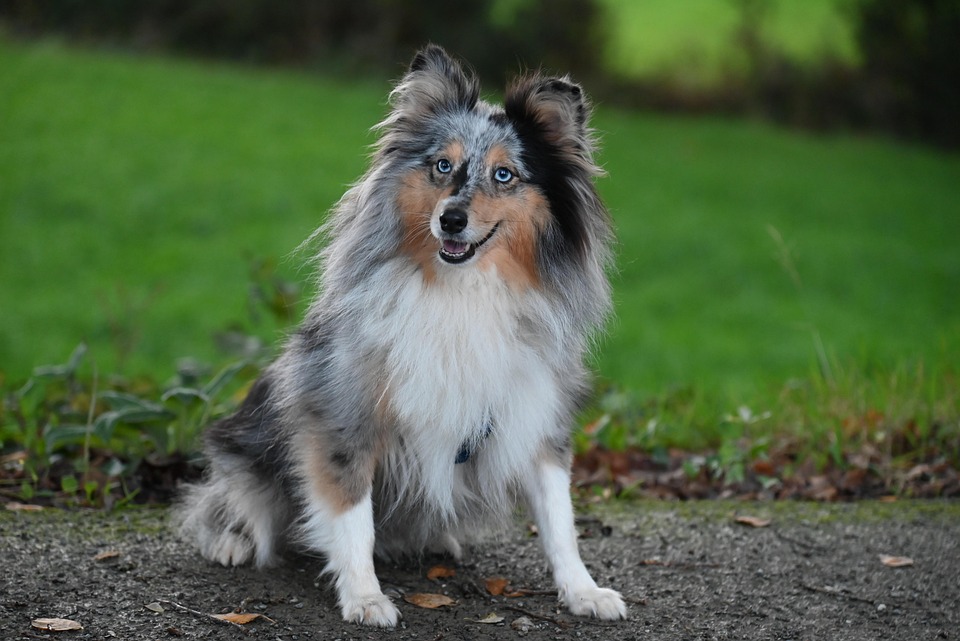
Walking your dog can be one of the most enjoyable activities for both you and your furry friend. Yet, for many dog owners, it can also be a source of stress and frustration. A strong leash and a confident owner can turn a chaotic walk into a pleasurable experience. Here are some tips to help you master the leash and enjoy your outings together.
Understanding Your Dog
Know Your Breed
Different breeds come with varying temperaments, energy levels, and walking habits. Understanding your dog’s breed can help you anticipate their behavior and manage their energy more effectively during walks.
Recognizing Triggers
Take note of what excites or scares your dog during walks. Is it other dogs, loud noises, or sudden movements? Recognizing these triggers can help you prepare and react calmly instead of being caught off guard.
Equipment Matters
Choosing the Right Leash
Opt for a sturdy, comfortable leash that suits your dog’s size and strength. For more control, a shorter leash may be effective, while a longer leash offers more freedom but can sometimes lead to tangles. Consider using a harness for dogs that tend to pull, as this distributes pressure more evenly across their body.
Consider a Training Collar
If your dog is particularly strong-willed or difficult to manage, a training collar or head harness could be beneficial. Always consult your veterinarian or a professional dog trainer for advice on the best options for your specific dog.
Training Basics
Reinforce Positive Behavior
Use treats and praise to reward your dog when they walk calmly beside you. Positive reinforcement can help establish good behavior and create a more enjoyable walking experience.
Teach “Heel” Command
Train your dog to walk by your side with a “heel” command. Start in a quiet area, and practice walking together, rewarding them for staying close. Gradually introduce distractions as your dog becomes more proficient.
Practice Consistency
Consistency is key in any training regimen. Use the same commands, body language, and rewards during each walk. This helps your dog understand your expectations and encourages better behavior.
Walking Techniques
Maintain a Steady Pace
Walk at a steady pace that matches your dog’s speed. If you stop abruptly or change direction without warning, it can confuse your dog. Keeping a consistent pace will help your dog feel more secure during the walk.
Use Space Wisely
If you encounter other dogs or distractions, give them space. Cross the street or step to the side to avoid potential conflicts. This will help you manage your dog’s reactions and keep the walk enjoyable for both parties.
Be Assertive Yet Calm
Dogs can pick up on their owner’s emotions. If you are anxious or frustrated, your dog may sense this and react accordingly. Stay calm and assertive, using a firm yet gentle grip on the leash.
Socialization Matters
Regular Exposure
Introduce your dog to different environments, people, and other animals during walks. The more they experience, the more comfortable they’ll become. Ensure your dog is well-socialized to prevent fear or aggression when encountering new situations.
Group Walks
Joining a dog walking group can be a great way to socialize both you and your dog. You’ll benefit from shared knowledge and support while your dog learns to interact with other dogs in a controlled environment.
Conclusion
Walking your dog should be a positive experience filled with exploration and bonding. With the right mindset, training, and techniques, you can master the leash and confidently navigate your environment with your furry companion. Remember, patience and consistency are your best allies in this journey. So grab that leash, step outside, and enjoy the world — you’re bound for adventures together!







Discussion about this post