
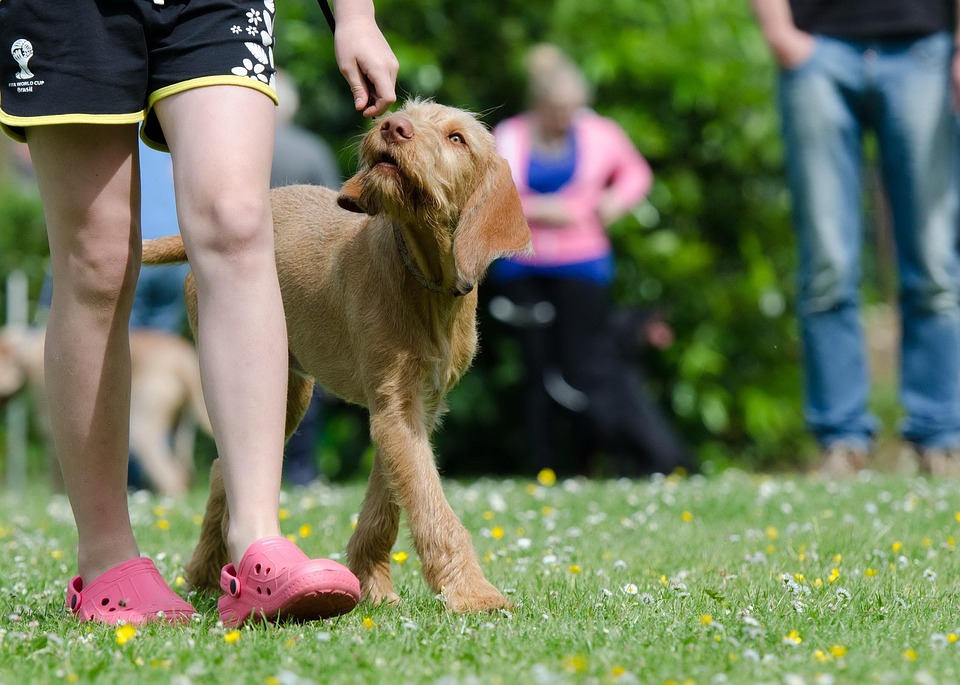
Welcoming a puppy into your life is an exciting adventure filled with cuddles, tail wags, and the potential for lifelong companionship. However, one of the crucial aspects of puppyhood that often gets overlooked is socialization. Early and positive social experiences are vital for nurturing a well-adjusted, friendly dog. Here’s how to help your furry friend make friends and thrive in social environments.
Understanding the Importance of Socialization
Socialization is the process through which your puppy learns to interact positively with people, other animals, and various environments. Proper socialization helps:
- Build Confidence: Exposure to diverse situations helps your puppy feel more secure and confident in different circumstances.
- Prevent Behavioral Issues: A well-socialized dog is less likely to exhibit fearful or aggressive behaviors, which can arise from unfamiliarity.
- Enhance Training: Socialized puppies are usually easier to train, as they are more responsive to their owners in distracting environments.
Key Socialization Periods
Puppies undergo critical socialization periods during their early development:
- 8 to 12 Weeks: The most receptive phase for socialization. This is when your puppy is more open to new experiences and less fearful.
- 12 to 16 Weeks: Continued social exposure is essential; however, some puppies may start to show signs of fear towards new experiences.
- 16 Weeks and Beyond: While socialization can still occur, it becomes increasingly important to reinforce positive behaviors.
Techniques for Paw-sitive Socialization
1. Enroll in Puppy Classes
Puppy training classes are an excellent way to expose your puppy to other dogs while also teaching basic obedience. These classes are structured to promote positive interactions and learning in a controlled setting. Look for classes that focus on socialization and playtime as part of their curriculum.
2. Organize Playdates
Arrange playdates with other vaccinated puppies or friendly adult dogs. Monitor the interactions closely, providing guidance if play becomes too rough. This is a great way for your puppy to learn social cues and appropriate behavior with peers.
3. Expose Your Puppy to Various Environments
Take your puppy on outings to different settings—parks, pet-friendly stores, and busy streets—while ensuring the experiences are positive. Gradually introduce your puppy to varied surfaces, sounds, and sights to build confidence.
4. Meet New People
Ensure your puppy has positive encounters with different people, from children to seniors. Offer treats and praises during these interactions so that your puppy associates new people with positive experiences.
5. Use Positive Reinforcement
Always reward your puppy for good behaviors during social interactions. This could be through treats, praise, or play. Encourage calm and friendly behavior—avoid scolding your puppy for being overly excited; rather, redirect their energy into a more positive interaction.
6. Create a Routine
Incorporate socialization into your puppy’s daily routine. Regular outings and meetings with other dogs or people can help reinforce social skills. Aim for at least 15-30 minutes of social interaction every day.
Signs of Stress or Fear
As you socialize your puppy, watch for signs of distress, such as:
- Cowering or hiding
- Excessive barking or whining
- Tucking their tail
- Growling or snapping
If your puppy exhibits these behaviors, it’s essential to back off and allow them time to feel comfortable. Remember, socialization should always be a positive experience.
Conclusion
Puppy socialization is a foundational aspect of raising a well-adjusted, happy dog. By providing your puppy with a variety of positive social experiences during their critical developmental periods, you set the stage for a confident and friendly canine companion. Remember to take things at your puppy’s pace and always prioritize their comfort and safety. With your support, your puppy can grow into a social butterfly, ready to create lifelong friendships!








Discussion about this post