
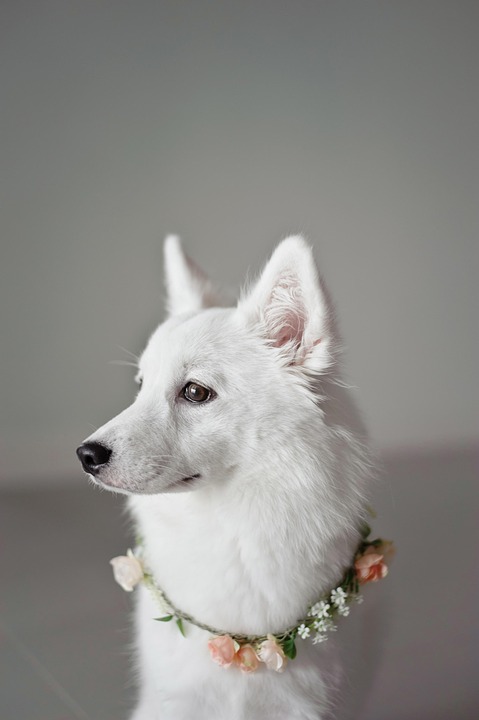
Puppy Playdates: How to Safely Introduce Your Pup to Friends
Welcoming a new puppy into your home is an exciting time, filled with playful antics, cuddles, and a few chewed shoes! As your puppy grows, socialization becomes crucial to their development and well-being. Puppy playdates offer a wonderful opportunity to introduce your furry friend to new environments, sounds, and, most importantly, other dogs. However, ensuring these meetings are safe and enjoyable is key. Here’s how to successfully arrange and execute puppy playdates.
1. Choose the Right Playmates
Before setting up a playdate, consider the personalities and temperaments of the dogs involved. It’s essential that:
- Compatibility: Match your puppy with dogs that have a similar energy level. A calm puppy may feel overwhelmed by a boisterous playmate.
- Vaccination Status: Only introduce your puppy to other dogs who are fully vaccinated. This will help to protect your pup from illnesses.
- Size Matters: Be cautious of size differences. Large dogs can unintentionally injure small pups during play.
2. The Perfect Location
Selecting a safe and neutral space for the playdate can help ease any potential tensions. Here are some options:
- Your Backyard: A familiar environment can make your puppy feel more secure. Ensure it’s safely enclosed to prevent any escapes.
- Local Park: Choose a park that is dog-friendly and has designated areas for smaller dogs, if available. It provides plenty of space for running and exploring, but consider crowd levels to avoid overwhelming your pup.
- Indoor Dog Parks: These can provide controlled environments with play equipment. Ensure you know the health regulations and cleanliness standards.
3. Introductions Matter
The way you introduce your puppy to their playmates can set the tone for the entire playdate:
- Leashed Introductions: Keep both dogs on leashes during the initial meeting. Let them sniff and see each other while maintaining control.
- Positive Reinforcement: Use treats and praise to create a positive experience for both dogs. This helps them associate each other with positives.
- Observe Body Language: Look for signs of relaxed dogs – wagging tails, playful bows, and playful barking indicate they are interested in play. Growling, stiff movements, or raised fur may indicate discomfort, so be ready to intervene.
4. Supervise Playtime
Active supervision is key during the playdate to ensure that the interaction remains safe and fun:
- Monitor Behavior: Keep an eye on the dogs’ body language and interactions. If playtime becomes too rough, intervene immediately.
- Provide Breaks: Allow the puppies to take breaks for water, rest, or even a walk. This will help them avoid becoming overtired or overstimulated.
5. Set Ground Rules
Before the playdate begins, establish the rules for both puppies and their owners. Consider the following:
- Basic Commands: Both dogs should have a good understanding of basic commands like “sit,” “stay,” and “come.” This helps in managing the playdate.
- No Food or Toys: Avoid introducing toys or food during the playdate, as this can lead to possessiveness and potential conflicts.
- Human Interaction: Encourage dog parents to engage with their own pup during play to avoid them being drawn to each other’s treats or toys.
6. Know When to End the Playdate
Not every playdate will go as planned. Recognizing when to end it is crucial:
- Signs of Stress: If either dog shows signs of stress or discomfort, it’s time to call it a day.
- Excessive Barking: Continuous barking that isn’t playful may indicate anxiety or frustration.
- Fatigue: If one or both dogs look worn out, it’s best to wrap up the playdate on a good note.
7. Follow Up
After the playdate, take time to assess how your puppy reacted:
- Health Check: Keep an eye out for any signs of illness that may arise from exposure to new dogs.
- Behavior Assessment: Notice how your puppy behaved. Positive social interactions can help build their confidence and social skills. If they seemed anxious, consider adjusting future playdates by starting with calmer dogs.
Conclusion
Puppy playdates can be a valuable and enjoyable experience for both you and your furry friend. By taking the time to plan, supervise, and assess each playdate, you can help your pup build vital social skills while forging friendships. Remember, the goal is not just to have fun but to ensure a safe environment that fosters healthy interactions. Happy playdates!








Discussion about this post