
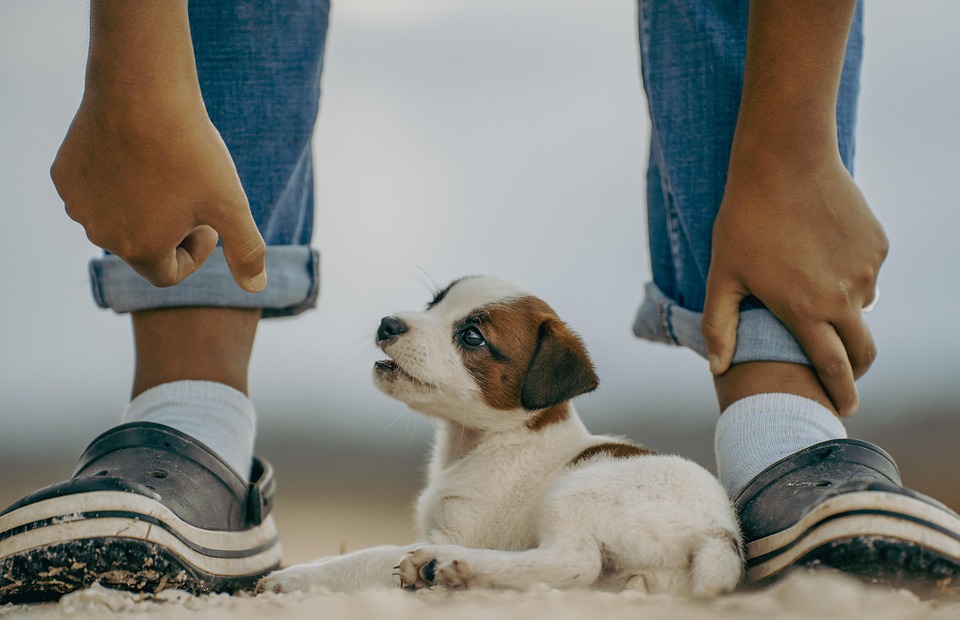
Training a dog is one of the most rewarding yet challenging aspects of pet ownership. Each dog has a unique personality, and understanding how to navigate common challenges can lead to a harmonious relationship. Whether you’re training a puppy or addressing behavioral issues in an adult dog, employing expert tips can transform the training experience. Here’s a guide to help you through the process of teaching your dog essential commands and overcoming typical obstacles.
Understanding the Basics of Dog Training
Before diving into specific challenges, it’s essential to understand the foundational principles of dog training. Canines are social animals that thrive on routines and clear communication. Consistency, positive reinforcement, and patience are key components. Use treats, praise, and play as rewards to motivate your dog.
1. The Power of Positive Reinforcement
Positive reinforcement involves rewarding your dog for desired behaviors instead of punishing undesirable ones. This technique is proven to be more effective in building trust and encouraging compliance.
- Tip: Use high-value treats for difficult commands and gradually phase them out as your dog becomes proficient. Praise, toys, or playtime can also serve as effective rewards.
2. Establishing a Training Schedule
Dogs thrive on routine. Setting aside specific times for training sessions helps your dog anticipate learning. Short, frequent sessions (5-10 minutes) can be more effective than longer ones.
- Tip: Aim for multiple sessions throughout the day and integrate training into daily activities, like asking your dog to sit before meals or at the door.
Common Challenges and Solutions
1. Jumping on People
Many dogs greet their owners and guests with enthusiastic jumping. While it’s a sign of affection, it can be disruptive.
- Solution: Teach an alternative behavior, such as “sit,” as your dog approaches. Reward them for sitting instead of jumping. Consistently reinforce this behavior every time someone enters.
2. Barking Excessively
Whether it’s due to boredom, anxiety, or excitement, excessive barking can be frustrating.
- Solution: Identify the root cause of the barking. If your dog barks for attention, ignore them until they’re quiet. For boredom, ensure they receive sufficient exercise and mental stimulation. Training “quiet” commands can also be beneficial.
3. Leash Pulling
Dogs pulling on their leash can make walks stressful.
- Solution: Train your dog to walk calmly by using techniques like “stop and go.” When your dog pulls, stop walking until the leash slackens, then reward them for walking beside you. You can also use a front clip harness to discourage pulling.
4. House Training Issues
Accidents happen, but consistent house training is achievable.
- Solution: Establish a regular potty schedule, taking your dog out first thing in the morning, after meals, and before bed. Praise your dog for doing their business outside. If accidents occur, clean them thoroughly to remove any lingering scent, which may encourage repeat behavior.
5. Destructive Chewing
Many dogs chew furniture, shoes, or other household items out of boredom or anxiety.
- Solution: Provide plenty of appropriate toys and chews to redirect their energy. Dogs may also chew when they’re teething, so ensure you have suitable, safe options available.
Advanced Training Techniques
Once your dog masters basic commands, consider incorporating advanced training techniques to further enhance their skills and your bond.
1. Clicker Training
Clicker training can provide clear feedback to your dog. The distinct sound of the clicker marks the exact moment you want to reward your dog.
2. Agility Training
Engaging your dog in agility training promotes physical exercise and mental stimulation. It also strengthens your bond through teamwork and communication.
The Importance of Socialization
Socializing your dog is crucial for their development and helps mitigate behavioral issues. Expose them to various environments, people, and other animals in a controlled way. The goal is to make these experiences positive for your pet.
Conclusion
Training a dog takes time, patience, and understanding, but the effort brings immense rewards. By using positive reinforcement, establishing a routine, and addressing common challenges with expert tips, you can create a smooth training experience for both you and your furry friend. Remember, the journey is just as important as the destination—enjoy the process, and cultivate a lasting bond with your companion. Happy training!








Discussion about this post