
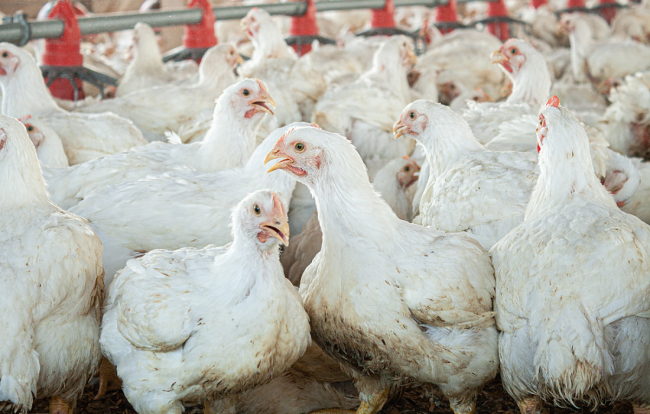

Without import requirements in the new legislation, EU consumption will continue driving low-welfare production methods abroad. In Brazil, our top trading partner for chicken meat since 2022, there are no legal welfare standards, but only recommendations from the sector which also rely on fast-growing breeds that suffer severe health issues. Expected to reach slaughter weight in just 40 days, this unnatural timeline leads to cardiovascular disease, lameness, and chronic pain.
Meanwhile, Ukraine’s accession and adoption of EU standards is uncertain and might not be implemented in the near future, and in Thailand painful mutilations remain common.
This is not the kind of farming the EU should be enabling through trade. By continuing to import from systems that fail to meet the standards EU citizens care about, the EU risks fueling animal cruelty abroad while undermining European farmers who invest in higher-welfare practices.
This is why 84% of Europeans believe the current situation, where imports of animal products do not need to respect EU animal welfare standards, must change. The less restrictive trade option of an animal welfare label would not work, because low welfare products would still end up in processed foods and mass catering, where consumers have no way of knowing the conditions the animals were raised in.
As explained in our report, Stop cruel imports: applying EU animal welfare standards to all products placed on the EU market, requiring imports to meet EU-equivalent animal welfare standards is legally feasible, economically fair, and ethically essential.
The European Commission’s public consultation on the revision of the on-farm animal welfare legislation is open until 12 December. This is the moment to call for meaningful protections for chickens and all farmed animals, regardless of where they’re raised.








Discussion about this post