
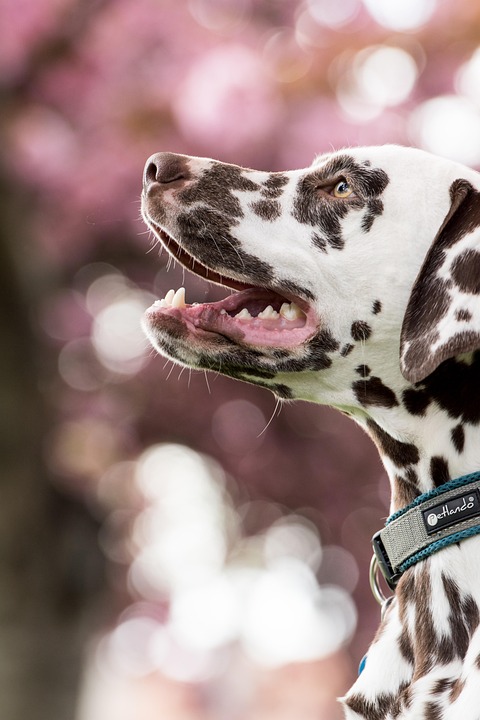
Training your dog is one of the most rewarding experiences you’ll encounter as a pet owner. Not only does it help strengthen the bond between you and your furry friend, but it also enhances their quality of life. This ultimate guide provides effective tips on successful dog training at every stage of your dog’s life.
Understanding Dog Training
Before diving into the specifics of dog training, it’s essential to understand that training is more than just teaching commands. It involves communication, relationship building, and understanding your dog’s behavior. Whether you’re a first-time dog owner or a seasoned trainer, these tips will guide you through the various stages of dog training.
1. Puppy Training (0-6 months)
The early months are crucial for a dog’s learning process. Here’s how to get started:
-
Socialization: Expose your puppy to different people, environments, and other animals. This will help them become well-adjusted adults. Puppy classes can be an excellent way to facilitate socialization safely.
-
Basic Commands: Start with simple commands like “sit,” “stay,” “come,” and “down.” Use positive reinforcement techniques like treats and praise to encourage good behavior.
-
Potty Training: Establish a consistent schedule for bathroom breaks. Take them outside frequently, especially after meals and playtimes, and reward them when they go outside.
-
Bite Inhibition: Puppies explore the world with their mouths. Teach them to control their bite through gentle play and redirecting their attention to appropriate toys.
2. Adolescent Training (6-18 months)
As your dog matures, behavior challenges may arise. Here are tips for managing this stage:
-
Consistency is Key: Maintain consistent commands and boundaries. Use the same words and signals so your dog understands what you expect.
-
Mental Stimulation: Adolescent dogs require more mental and physical stimulation. Engage them with puzzle toys, training sessions, and interactive games to keep them occupied.
-
Socialization and Training: Continue to socialize your dog with people and other dogs. Enroll in advanced training classes to reinforce obedience skills and expose them to diverse environments.
-
Handling Independence: Adolescence often leads to a testing of boundaries. Be patient and firm, reinforcing the rules you’ve already established while remaining loving and supportive.
3. Adult Dog Training (18 months and beyond)
Once past the adolescent phase, training continues to be essential to maintain good behavior. Here’s how to adapt:
-
Advanced Commands: Teach new tricks and commands that challenge your dog mentally. This can include fun activities like agility training or playing fetch in new environments.
-
Problem Behavior Management: Address specific issues like excessive barking, digging, or aggression with targeted training and, if necessary, consult a professional dog trainer.
-
Ongoing Socialization: Continue to expose your dog to new experiences. Regular trips to dog parks, obedience classes, and playdates help maintain their social skills.
4. Senior Dog Training
Training doesn’t stop when your dog reaches old age; in fact, it can be incredibly beneficial. Here are some tips:
-
Maintain Routine: Seniors thrive on structure. Stick to a daily routine for meals, walks, and training sessions to provide predictability.
-
Gentle Training: Use low-impact training techniques that respect their physical limitations. Focus on mental exercises and commands rather than strenuous physical activities.
-
Health Awareness: Monitor your senior dog for any health changes that may affect their training. Conditions like arthritis or vision loss can alter how you train and interact.
General Training Tips for Success
-
Positive Reinforcement: Always use positive methods for rewarding good behavior. This fosters a stronger bond and builds trust between you and your dog.
-
Be Patient: Training takes time and is a gradual process. Keep sessions short (10-15 minutes), engaging, and be prepared for setbacks.
-
Consistency and Clarity: Be clear and consistent with your commands. Your dog is trying their best to understand you, so avoid changing commands mid-session.
-
Seek Professional Help: Don’t hesitate to reach out to professional trainers if you’re struggling. They can offer valuable insights and techniques for training challenges.
Conclusion
Dog training is a lifelong commitment that pays off in numerous ways. By understanding your dog’s needs at every stage of their life and employing effective training methods, you can foster a happy and well-adjusted companion. Whether you’re working with a puppy or a senior dog, patience, consistency, and love are integral to your success. Embrace the journey, and enjoy the rewarding bond you’ll create with your furry friend.







Discussion about this post