
Protein is having a moment. Recent conversations around U.S. nutrition have pushed animal-based protein, but the science tells the real story: you can meet (and exceed) your protein needs with plants alone.
Choosing plant-based protein doesn’t just support human health—it also reduces harm to animals and lowers the environmental cost of our food system. The best part? Many of the most protein-rich plant foods are whole or minimally processed, easy to find, and backed by solid nutrition science.
What Does Science Say About Protein?
Protein is made of amino acids, which your body uses to build muscle, repair tissue, and keep your immune system strong. While animal flesh contains essential amino acids in one place, plants provide them too. It’s especially easy to get all of the amino acids your body needs when you eat a variety of foods throughout the day.
Most adults need about 0.8 grams of protein per kilogram of body weight per day (roughly 0.36 grams per pound). Athletes and very active people may need more—usually between 1.2 and 2.0 grams per kilogram (0.55 to 0.9 grams per pound), depending on how much they train. This is very achievable while eating a plant-based diet.
High‑Protein Whole and Minimally Processed Plant Foods
Below are plant-based foods that deliver serious protein with minimal processing. Protein amounts are listed per typical cooked serving.
🫘 Legumes
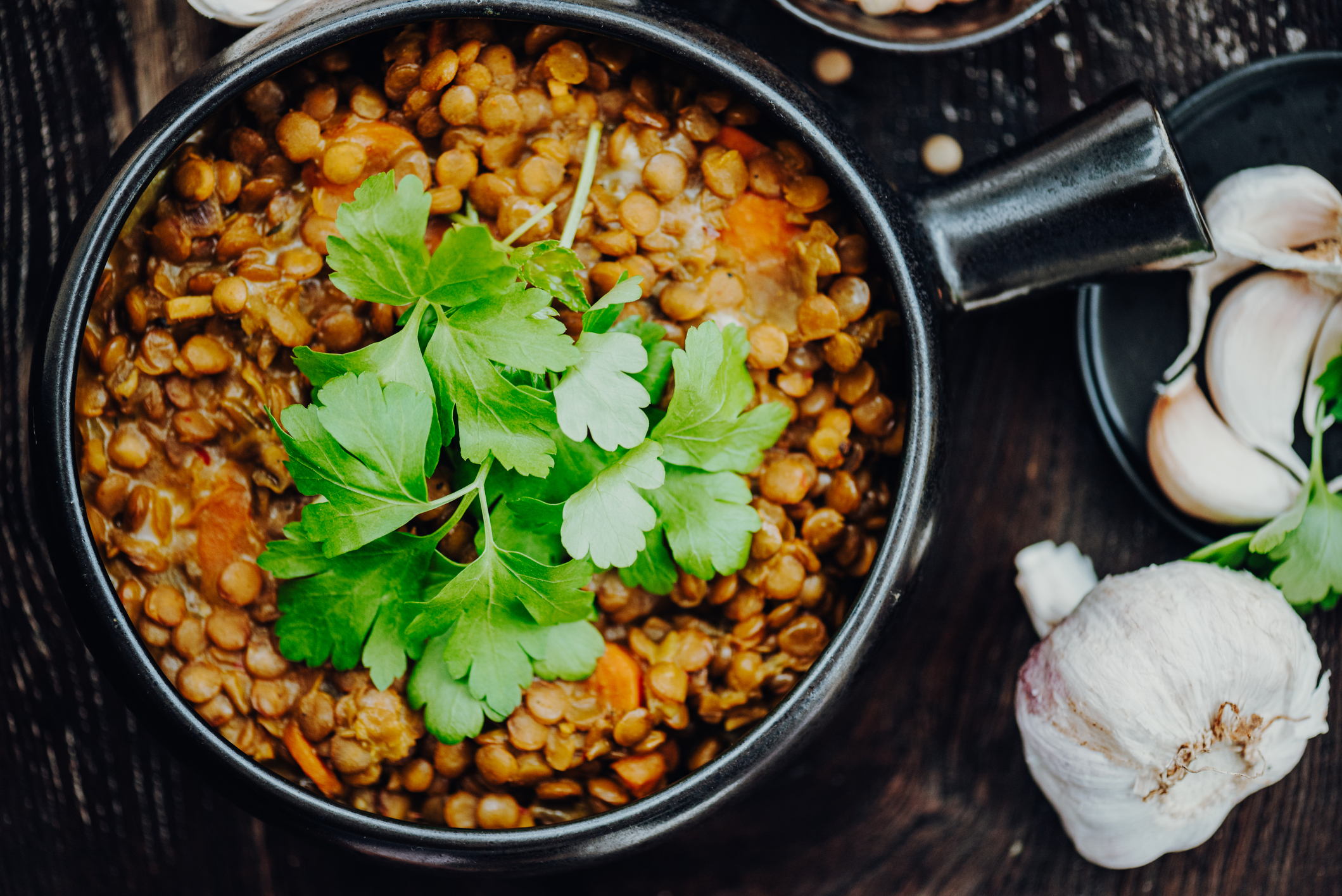
- Lentils: 18 g protein per 1 cup (cooked)
Lentils are rich in iron, fiber, and protein. Science also links lentils to heart health and stable blood sugar. - Edamame (young soybeans): 18 g per 1 cup (cooked)
One of the highest-protein whole plant foods. Edamame contains all essential amino acids. - Chickpeas (garbanzo beans): 15 g per 1 cup (cooked)
Great for digestion and satiety, and may help with muscle repair. - Black beans: 15 g per 1 cup (cooked)
High in protein and antioxidants, with added benefits for heart health. - Kidney beans: 14–15 g per 1 cup (cooked)
A classic, affordable protein source that supports gut health.
🌾 Whole Grains With Protein
- Quinoa: 8 g protein per 1 cup (cooked)
A complete protein and an excellent base for bowls and salads. - Amaranth: 9 g per 1 cup (cooked)
An ancient grain that’s naturally gluten-free and rich in lysine. - Farro: 8 g per 1 cup (cooked)
Chewy, satisfying, and higher in protein than many refined grains. - Oats: 6–10 g per 1 cup (cooked)
Dependable, affordable, and surprisingly protein-rich. - Wild rice: 6.5 g per 1 cup (cooked)
Technically, a seed with more protein than white rice.
🌻 Seeds and Nuts
- Hemp seeds: 9–10 g protein per 3 tablespoons
Contain all essential amino acids and healthy omega fats. - Pumpkin seeds: 8–9 g per 1 ounce
High in protein, iron, and magnesium. - Sunflower seeds: 5–6 g per 1 ounce
Easy to sprinkle on salads or oatmeal. - Almonds: 6 g per 1 ounce (about 23 almonds)
Protein plus vitamin E and healthy fats. - Peanuts (technically, a legume): 7–8 g per 1 ounce
Affordable and filling, with solid protein density.
🥦 Vegetables That Contribute More Than You Think
- Green peas: 9 g protein per 1 cup (cooked)
One of the most protein-rich vegetables. - Spinach: 5 g per 1 cup (cooked)
Also rich in iron, folate, and antioxidants. - Broccoli: 4 g per 1 cup (cooked)
Protein plus possible cancer-fighting compounds. - Brussels sprouts: 3–4 g per 1 cup (cooked)
A nutrient-dense addition to any meal.
Protein Adds Up Fast
A day that includes lentils at lunch, tofu or beans at dinner, oats for breakfast, and seeds sprinkled throughout can easily reach 70 to 90 grams of protein, all without supporting the cruel meat industry. And unlike many animal products, these foods contain lots of fiber, antioxidants, and phytonutrients that support long-term health.
Bonus: The Truth About Processed High‑Protein Vegan Meats
Vegan versions of meat, cheese, and eggs aren’t for everyone, but they’re a great option for those who want the flavors and cooking experience they’re familiar with, without contributing to animal suffering.
Several peer‑reviewed studies and nutritional analyses show that processed plant‑based products tend to have lower saturated fat, fewer calories, and more dietary fiber than comparable animal‑based foods, and are associated with improved heart health markers when substituted in the diet. These products are also more environmentally sustainable than their animal-based counterparts.
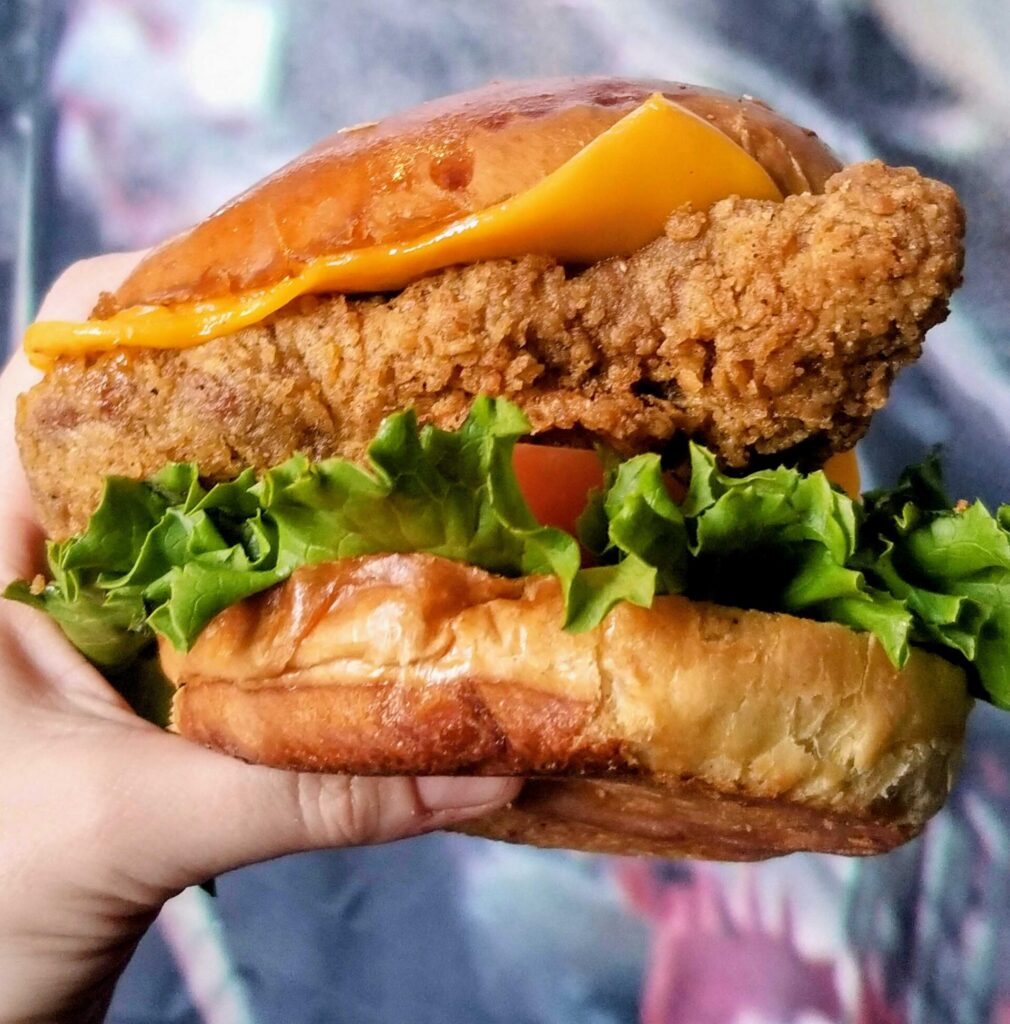
Here are some of our favorite high-protein vegan products:
- Gardein Ultimate Plant-Based Chick’n Filets: ~23 g protein per serving
Frozen plant-based “chicken” filets that deliver hearty protein in a familiar format - Tofu (firm or extra-firm): ~20 g protein per 1 cup (cooked)
A versatile soy-based protein that can be baked, sautéed, or scrambled. - Beyond Burger: ~20–23 g protein per patty
Made from pea protein; comparable to beef in protein. (Beyond Meat) - Impossible Burger: ~19 g protein per patty
Soy-based, with a complete amino acid profile. (Impossible Foods) - Field Roast Sausage: ~25 g protein per serving
Higher protein, more processed, but fully plant-based. (Field Roast) - JUST Egg Liquid Egg: ~5 g protein per 3-tablespoon serving
Plant-based liquid eggs are made primarily from mung bean protein. Similar in protein to a large chicken egg. - Seitan (vital wheat gluten): ~21 g protein per 3 oz
Wheat gluten product that is very high in protein, chewy, and versatile for stir-fries, sandwiches, or “chicken” dishes. - Vegan Protein Powders: ~20–25 g protein per scoop
Pea, rice, or soy protein isolates. Useful for smoothies, baking, or boosting protein content in recipes.
The bottom line is that plants provide all the protein humans need. Choosing plant-based protein supports your body, protects animals and the environment, and helps build a more compassionate food system for all.
Want more tips? Download our free How to Eat Veg Guide now!
*This information is for general purposes only and is not medical advice.








Discussion about this post