
Black History Month is a time to honor courage, innovation and leadership. It is also a time to reflect on influence. Not only those who stood at the front of movements, but who shaped them, sustained them and ensured their stories were told accurately.
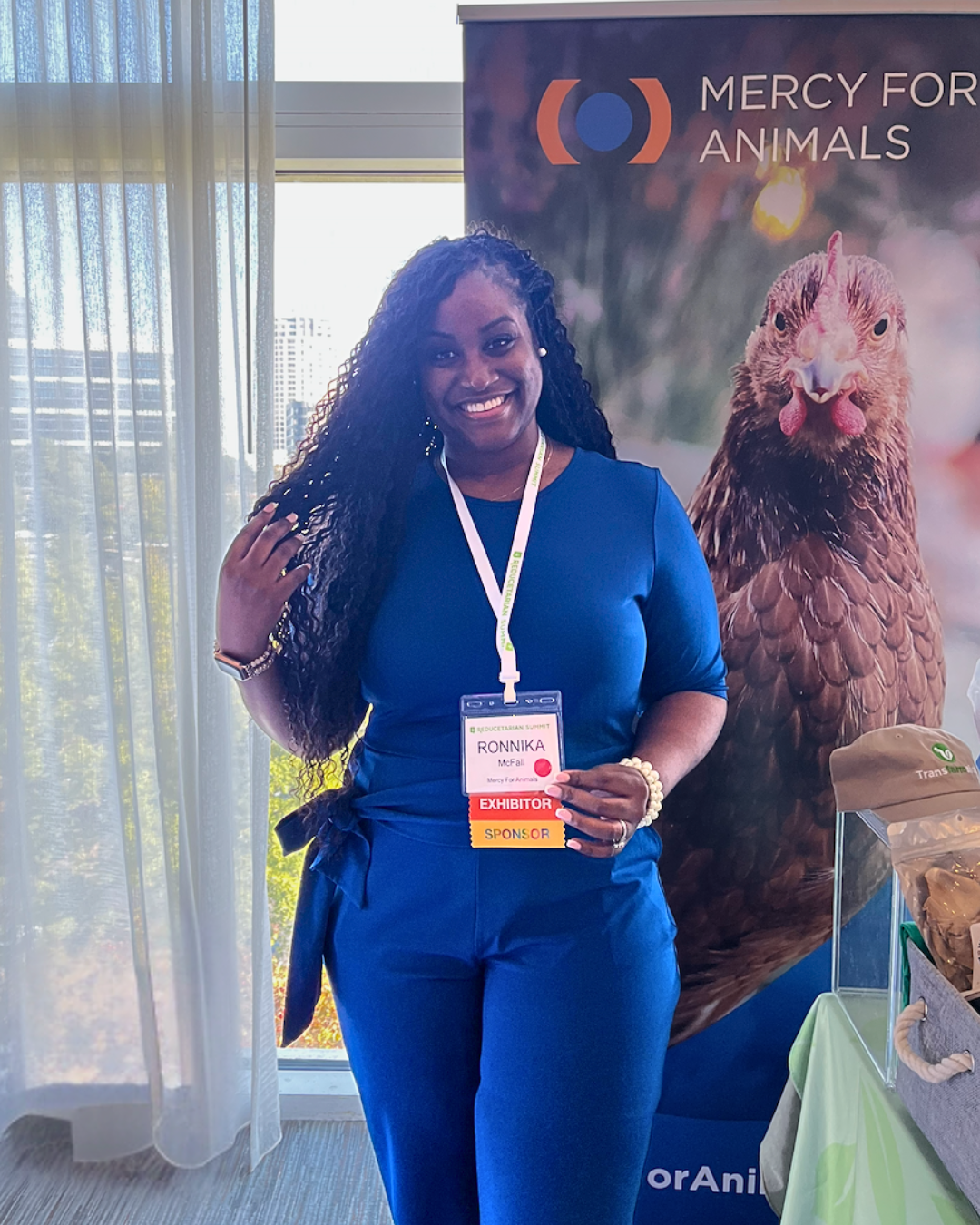
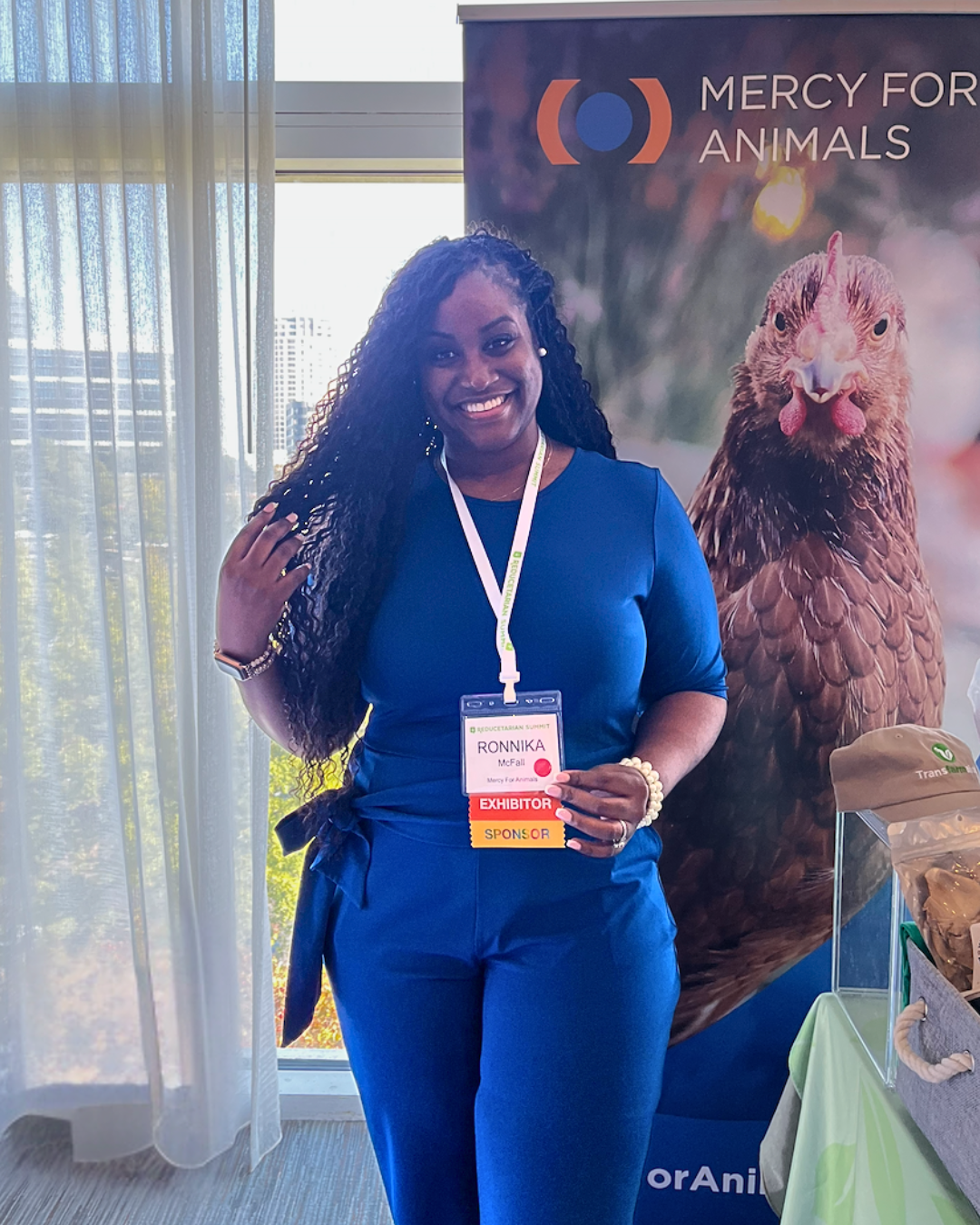
As a Black woman and a senior communications leader at Mercy For Animals, I often reflect on what it means to shape narratives. History shows that progress is not driven solely by visible acts of protest. It is also shaped by strategy, discipline and the people working behind the scenes to move systems forward.
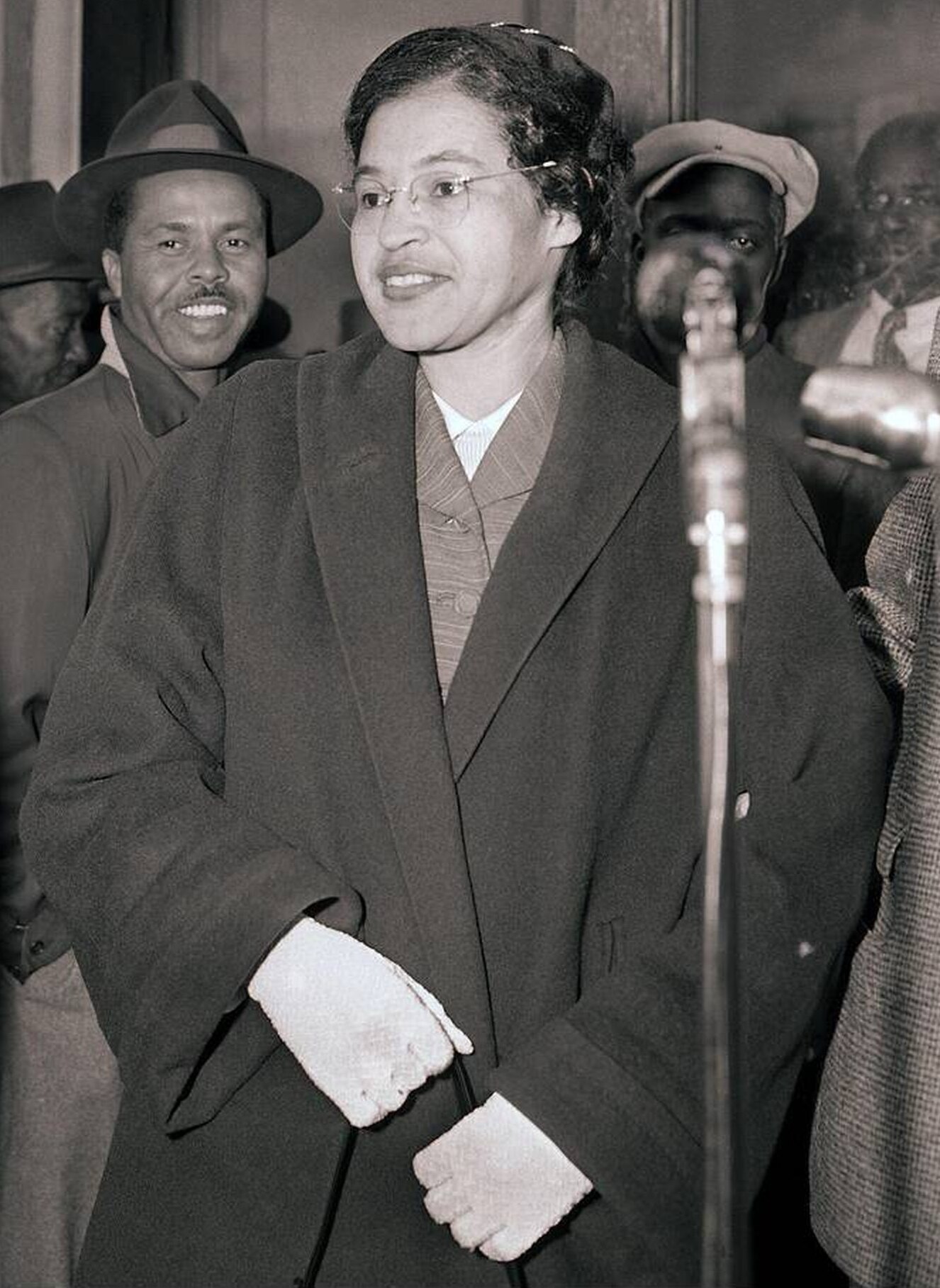
Rosa Parks is often remembered as a tired seamstress who refused to give up her seat. What is less frequently discussed is that she was a trained organizer and investigator who understood the power of narrative. Her act of resistance was courageous but also strategic. Movements depend on moments, but they also depend on how those moments are framed and sustained.
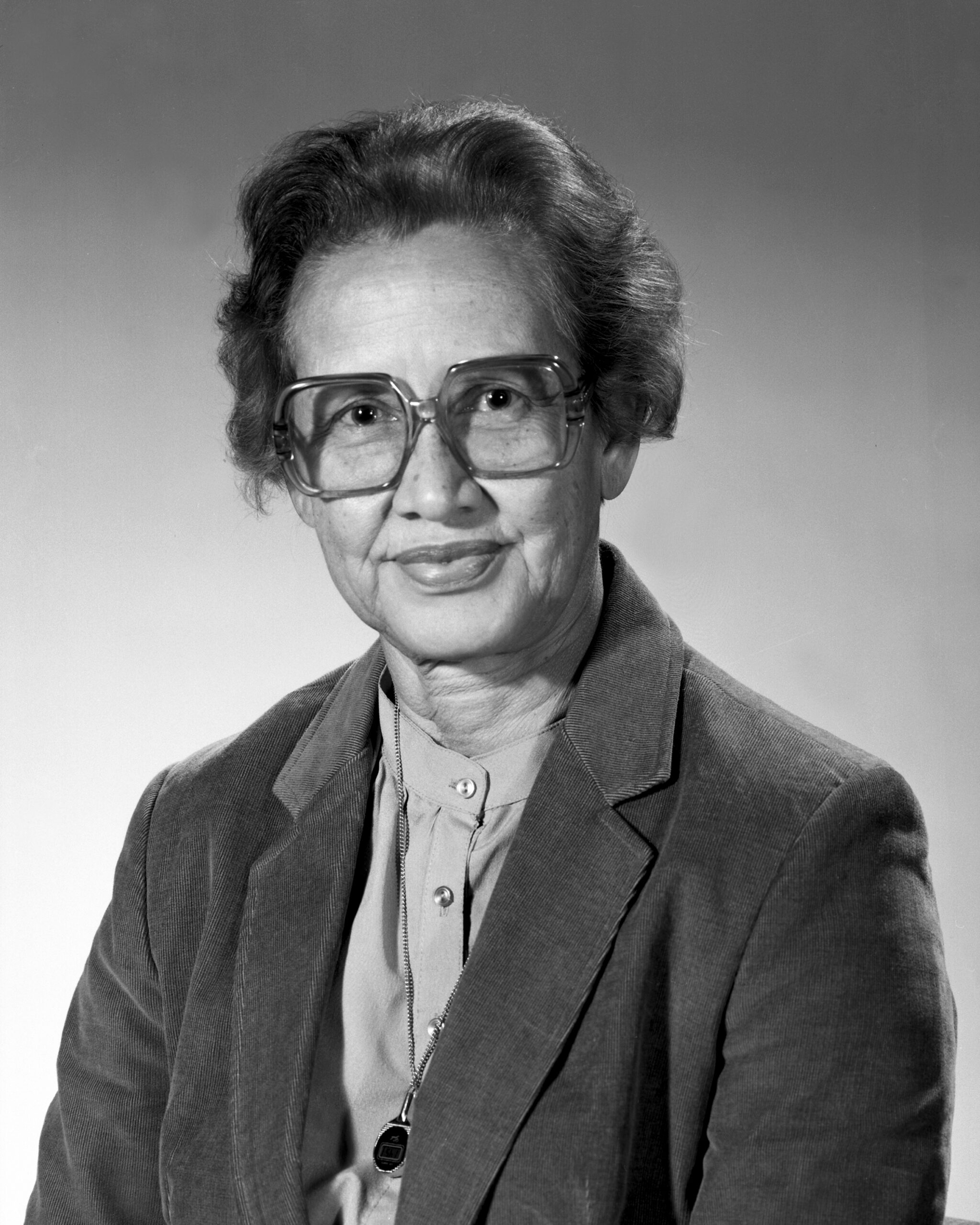
Katherine Goble Johnson, one of the brilliant mathematicians whose calculations helped send astronauts into space, worked largely out of public view. Her precision and persistence made historic achievements possible. Her story reminds us that leadership is not always loud. Sometimes it is measured, disciplined and exacting.
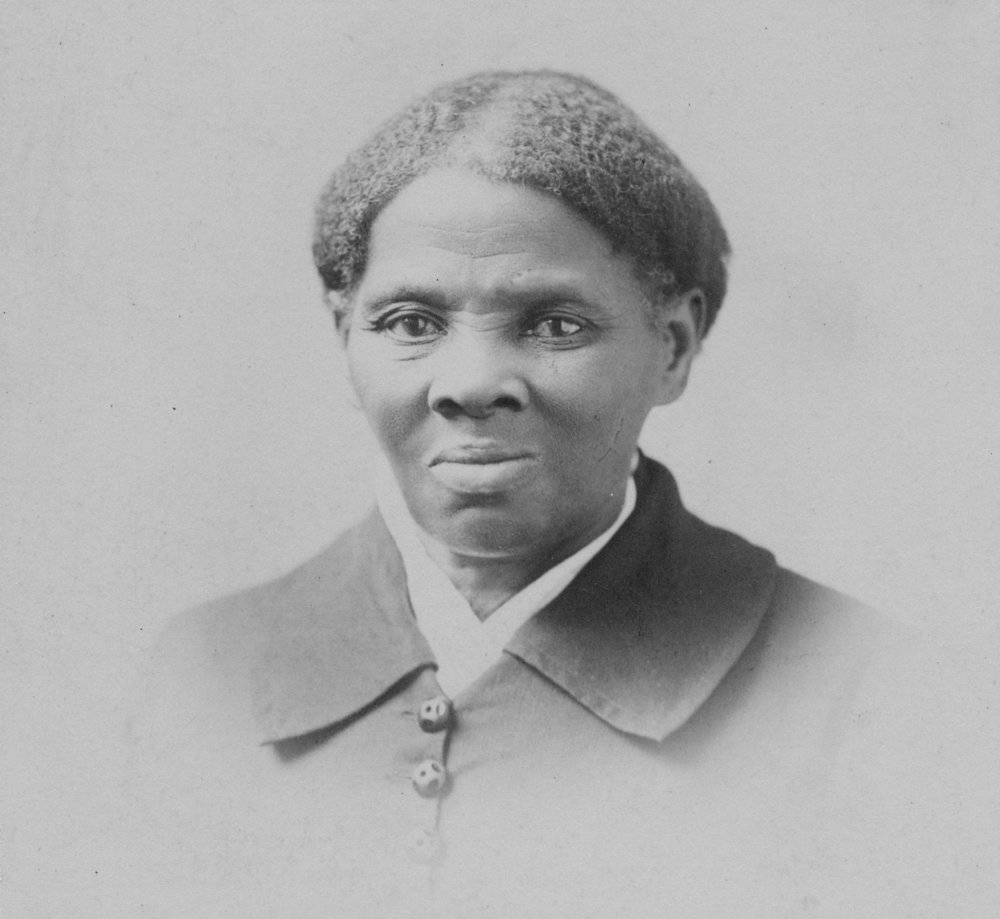
Harriet Tubman is remembered for extraordinary bravery, but her work was also methodical. She relied on timing, planning and trusted networks. She communicated carefully and understood risk. Her leadership was rooted in courage, but it was strengthened by strategy.
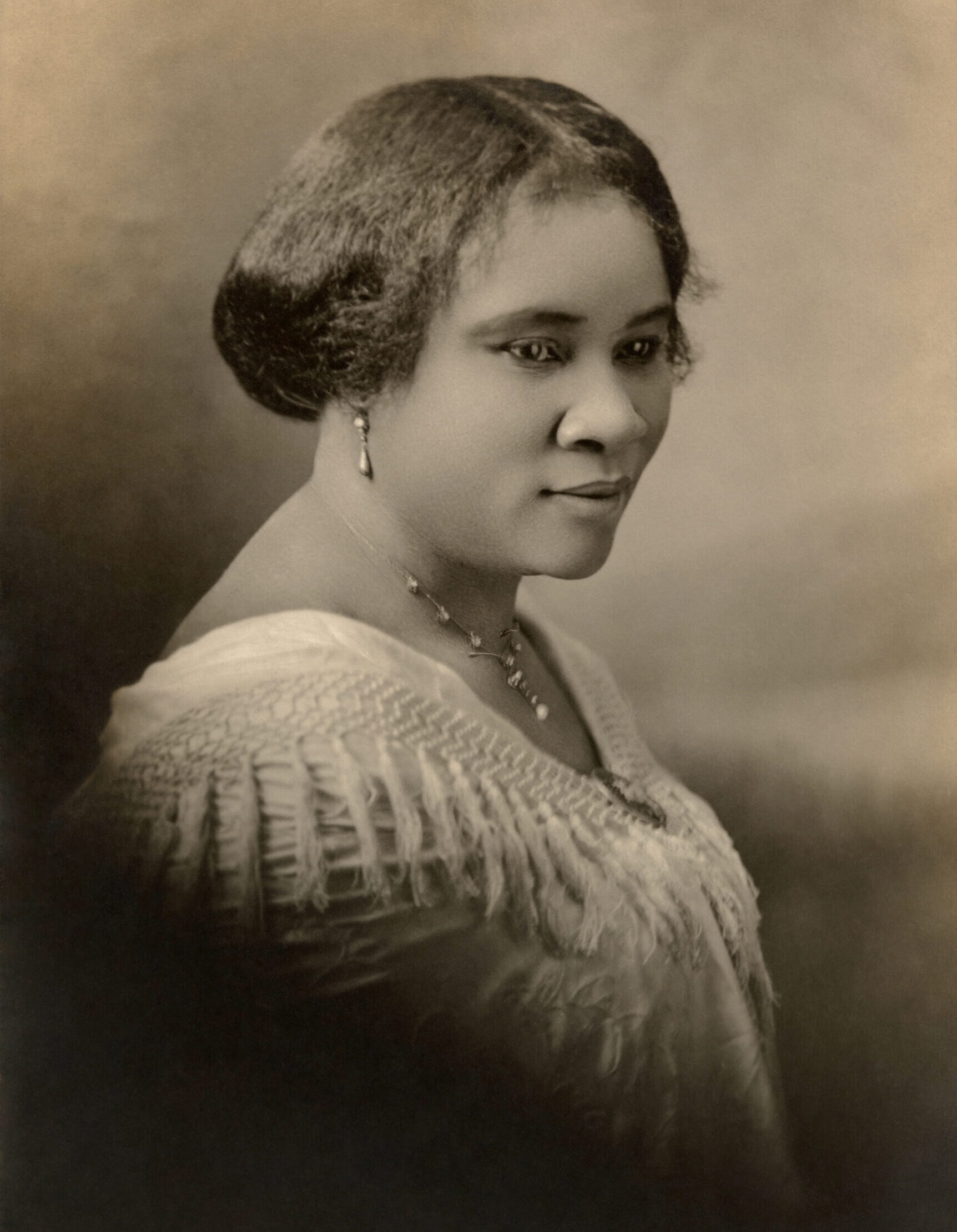
Madam C.J. Walker built one of the most successful businesses of her time. She understood not only economic independence but also the importance of representation and messaging. She created opportunities where systems had excluded her and others. She shaped her own narrative in a world that often denied it.
These leaders were different in their paths and impact, yet they shared something essential: they understood that who shapes the story shapes the future.
In communications, that responsibility is real.
The stories we elevate influence how people understand injustice. The voices we amplify determine whose experiences are centered. The narratives we challenge can shift culture over time.
In animal protection, this responsibility carries particular weight. The realities of factory farming are often hidden from public view. Systems that profit from harm depend on distance and silence. Communicators have a role in closing that distance and ensuring that what happens behind closed doors is not ignored.
Representation matters in this work. Perspective shapes what we see, what we question and what we prioritize. Diverse leadership in communications is not about optics. It is about strengthening the integrity and effectiveness of the work.
Black history teaches us that influence takes many forms. Some leaders stand at podiums. Others run calculations, organize quietly, build infrastructure or shape strategy. All of them contribute to progress.
As I reflect during Black History Month, I am reminded that leadership is not only about visibility. It is about responsibility. It is about accuracy. It is about choosing to use your voice and your platform with intention.
Who tells the story matters. And how we tell it can shape what comes next.
As we honor Black History Month, let’s commit to more than reflection. Let’s be intentional about whose voices we elevate, whose stories we center and how we use our platforms. Progress depends not only on action, but on who shapes the narrative. And that responsibility does not begin and end in February.
Honoring Black history means carrying its lessons forward every day, in the decisions we make and the stories we choose to tell.








Discussion about this post