

In 2023, nearly 8 million animals were used for the first time in scientific procedures across the EU and Norway. This represents a 4.9% decrease compared to 2022. While this brings numbers back to COVID-19 levels, almost 1 million additional animals were used for the creation and maintenance of genetically altered lines.
Norway, France, Germany, and Spain account for 67% of first-time uses, representing over 5.3 million animals.
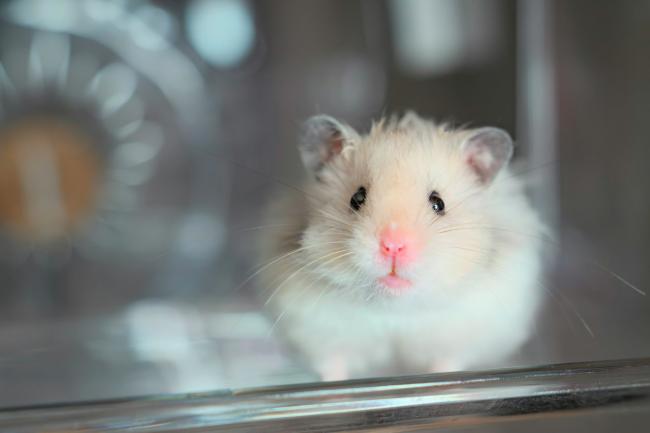
Mice and fish remain the most commonly used animals, although some alarming increases were recorded, including sharp rises in the use of hamsters, sea bass, cephalopods and other carnivores.
There are some positive signs. Animal use for regulatory testing continues to decline in several areas, driven by the increasing adoption of non-animal methods, and the use of non-human primates decreased by 24.1%.
On the other hand, the use of animals for industrial chemical testing has increased significantly.
Particularly alarming is the continued use of the mouse ascites method, a highly painful procedure, despite the availability of alternatives. Four Member States reported using the mouse ascites method to produce monoclonal antibodies, with France accounting for 98.5% of these uses.
Overall, the data paints a mixed picture: modest progress, but no fundamental shift. With nearly 8 million animals still being used in 2023, the EU remains far from achieving its goal of replacing animal experimentation.
Stronger action is urgently needed to close the gap between available non-animal methods and their actual use, and to turn policy ambition into real change. In this context, our recently published report on harmonising the implementation of Directive 2010/63/EU sets out concrete recommendations and examples of best practices to reduce the number of animals used for scientific purposes, and to accelerate the adoption of non-animal methods.





Discussion about this post