
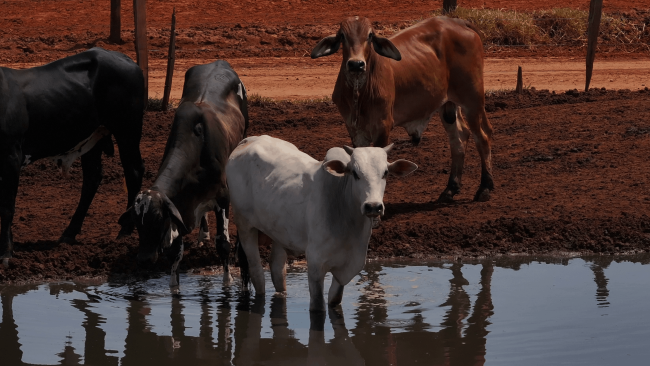

By contrast, the EU-Mercosur agreement includes only limited animal welfare provisions, with the main condition applying to shell eggs. With only 36 tonnes traded in 2025, this affects a negligible share of agricultural trade under the agreement. Most trade instead concerns products such as bovine and chicken meat, which are not subject to comparable production requirements under the agreement. This is particularly relevant in light of recent investigations, which documented serious welfare concerns in feedlot systems supplying bovine meat to the EU market, including overcrowding, heat stress, restricted movement, poor hygiene conditions and diet-related health issues. This approach contrasts with the EU-New Zealand trade agreement, where bovine meat produced in feedlots is explicitly excluded from preferential access for sustainability reasons, raising questions as to why such production methods are considered incompatible in that context, but remain eligible under EU-Mercosur.
The full investigation, documented by Animal Welfare Foundation across 21 cattle farming facilities approved for EU exports in Uruguay, Argentina and Brazil, is available below:






Discussion about this post