
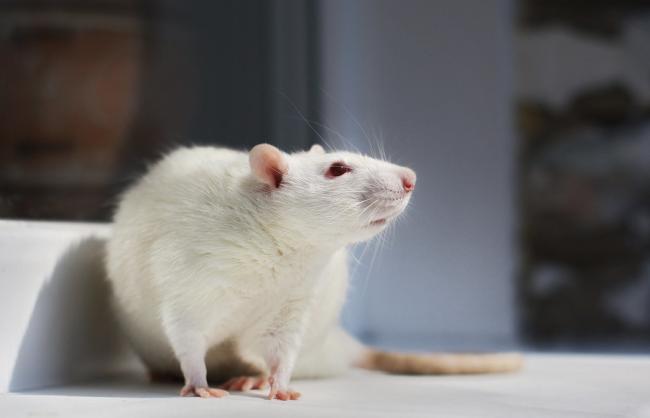

As the EU moves forward with the long-awaited revision of its flagship chemicals law REACH, the debate is intensifying on how to modernise the system to better protect humans, animals and the environment while also accelerating the transition towards an innovative, animal-free regulatory system.
REACH (Registration, Evaluation, Authorisation and Restriction of Chemicals) has long been the backbone of chemical safety in Europe. Since its entry into force in 2007, it has ensured that companies take responsibility for the risks posed by the substances they produce and use, whether in industrial processes or everyday products like cleaning agents, textiles, or electronics.
Over nearly two decades, REACH has improved transparency and strengthened protections for human health and the environment. Yet it has also remained one of the biggest drivers of animal testing in Europe, as many of its safety requirements still depend heavily on animal experiments.
Despite ongoing uncertainty surrounding the scope and timeline of the reform, it is clear that modernising REACH is crucial for ensuring more effective protection. REACH must evolve alongside progress in non-animal science, the EU’s commitment to phase out animal testing for chemical safety assessment, and strong public expectations for more ethical and effective regulation.
Animal welfare organisations believe REACH can be adapted to deliver better protection while transitioning away from animal testing. Our proposal focuses on four concrete action points enabling a better uptake of non-animal methodologies and optimisation of data use.







Discussion about this post